
Toddler Constipation: My Toddler Hasn’t Pooped in 4 Days. What To Do (And When to Call Your Pediatrician)

If you’re staring at a search bar right now typing some version of this question, take a breath. Toddler constipation is one of the most common concerns I hear as a nurse practitioner and lactation consultant, and the good news is that most cases resolve at home with the right approach.

Here’s what I want every parent to know about why toddler constipation happens, what actually helps, and when it is time to stop troubleshooting and call the pediatrician.
Why Toddler Constipation Happens
Toddler constipation almost never comes out of nowhere. A few common triggers show up again and again.
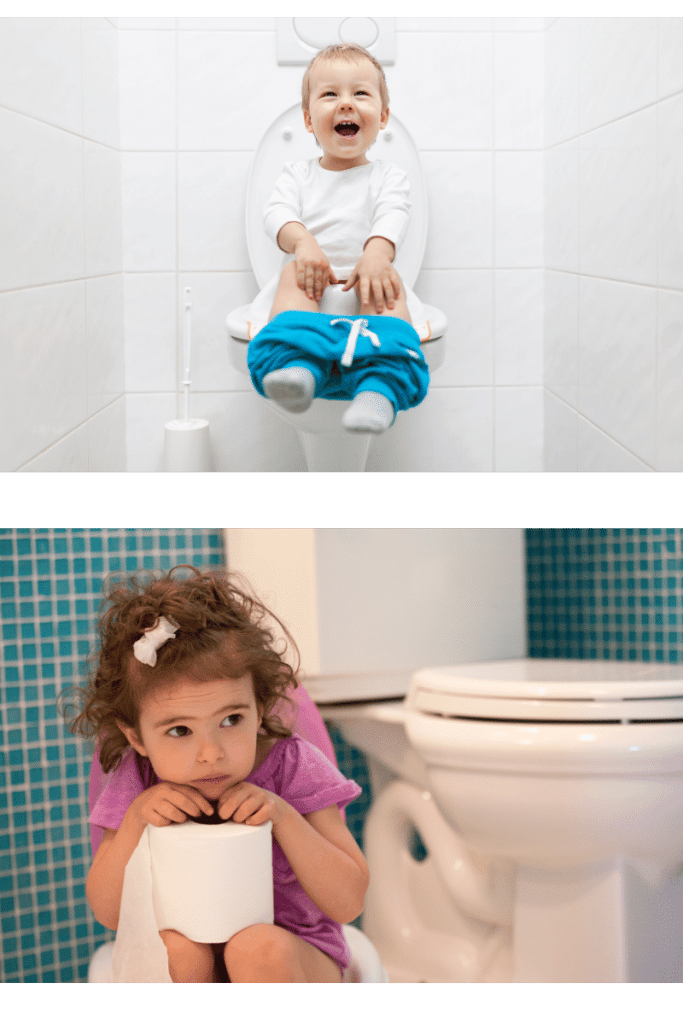
Potty training is a big one. Some toddlers hold their stool because they are scared of the toilet, or because a painful poop taught their body that pooping equals pain, so they clench instead of relaxing.
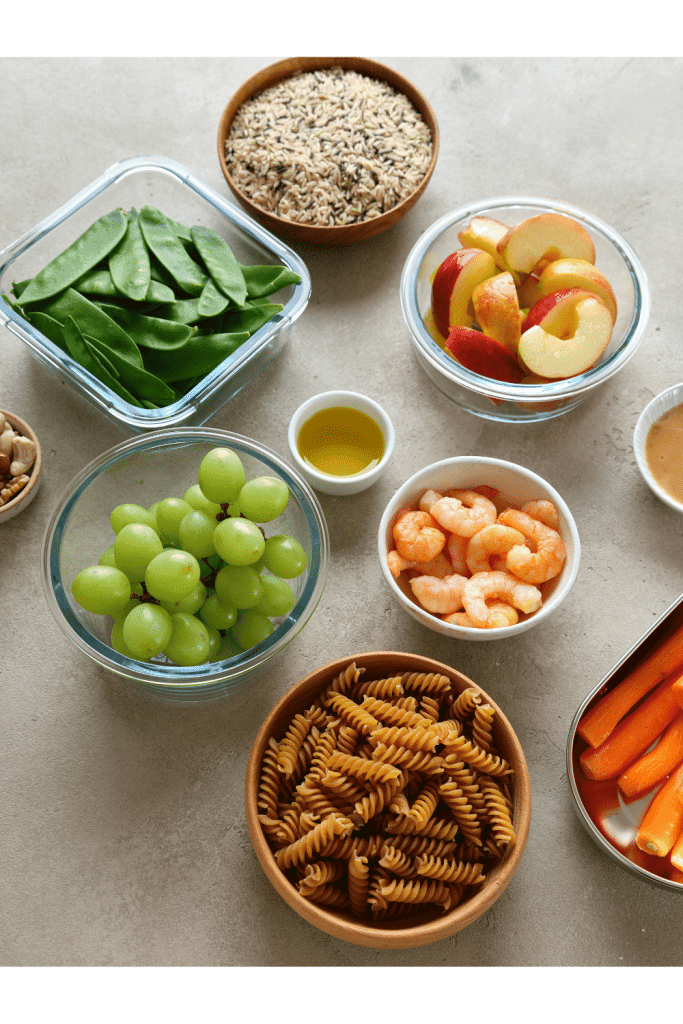
Diet shifts matter too. The move from purees to table food often means less fiber and less fluid than a toddler was getting before, especially if dairy intake goes up while water intake stays flat. Aim for at least 5 grams of fiber daily in a one year old.
Cow’s milk can cause constipation in some toddlers as they transition from breastmilk or formula. If that seems to be the case, cow’s milk is not a requirement for nutrition. Try a soy based milk substitute that is fortified with calcium and Vitamin D.
If your child enjoys cow’s milk and they just seem to be drinking more than they should, try cutting back to no more than 16 ounces in a day.
Travel, illness, and new environments can also slow things down. A toddler’s gut is sensitive to routine, and any disruption, even a fun one like a vacation, can throw off regularity for a few days.
None of this means you did something wrong. Toddler guts are unpredictable, and constipation is one of the most common pediatric complaints there is.
Here is a printable list for Toddler Foods Ideas to get more variety in their diet.
The Safest Way to Resolve Toddler Constipation
Here is the approach I walk parents through, starting with the gentlest options first.
Start with hydration. Before anything else, look at fluid intake. A constipated toddler needs more water than usual, not just their normal amount. Offer small sips throughout the day rather than one big cup, since toddlers often respond better to frequent small offers than a single large one.
These busy kiddos don’t usually stop themselves from playing due to thirst. They usually have to be interrupted to take a sip, and even that won’t be much if anything, so keep offering. Turning drinking water into a game with lines on the cup to help them see how much they need to drink and offering a small celebration if they succeed.
Minimum fluid intake based on weight:
20 pounds=32 ounces daily
30 pounds=42 ounces daily
40 pounds=50 ounces daily

Add electrolytes if water alone isn’t enough. Electrolytes can help pull water into the bowel, which softens stool more effectively than water on its own. A pediatric electrolyte solution, offered in small amounts throughout the day, is a simple next step.
Optimize the fiber intake. The general guidelines for children, is one gram to fiber per age, plus 5-10 grams each day. If you need help knowing how much fiber is in food, check out this site.
Try pear juice. Pear juice is one of my favorite first line tools because it works through a specific mechanism. It is naturally high in sorbitol, a sugar alcohol the toddler gut cannot fully absorb, so it draws water into the intestine and softens stool naturally. Apple and prune juice work the same way if pear is not on hand. A few ounces, once or twice a day, is often enough to see a difference.
Consider Miralax for ongoing relief. If hydration, electrolytes, and juice are not enough, Miralax is a common next step, and it is one that many pediatricians recommend for toddlers. It works by drawing water into the stool without being absorbed into the body, and it is considered safe for regular use in children under medical guidance. Dosing depends on your child’s age and weight, so this is a conversation to have with your pediatrician rather than a guess and check situation. [affiliate link placeholder: Miralax]

12-18. months 1tsp per day
18- 3 years 2-3tsp per day
>3 years 2-4tsp per day
Use a glycerin suppository for acute relief. If your toddler is visibly uncomfortable, straining without success, or it has been several days with no bowel movement despite the steps above, a glycerin suppository [affiliate link placeholder: glycerin suppository] can provide fast relief. This is meant for occasional, short term use, not a daily strategy. Think of it as a tool for breaking a specific stuck moment, not a long term fix.

Only use for up to 3 days as needed.
When to Call the Pediatrician
A few days of no stool is common and usually not an emergency. But there are signs that mean it is time to stop troubleshooting at home and call your pediatrician.
Call if you see blood in the stool or on the toilet paper. Call if your toddler has significant abdominal pain, a swollen or hard belly, persistent vomiting, or a fever alongside the constipation. Call if your toddler seems lethargic or is refusing to eat or drink. And call if you have tried these steps for several days without any improvement at all.
Trust your instincts here. You know your toddler’s normal, and if something feels off beyond typical constipation, that is reason enough to reach out.
A Note Before You Go
Everything in this post is general education, not a diagnosis. I have not examined your toddler, and every child’s situation is different. If your toddler is in pain, if something does not feel right, or if home strategies are not working, please reach out to your pediatrician. They can rule out anything more serious and guide you through next steps that are specific to your child.
This post contains affiliate links. If you make a purchase through one of these links, I may earn a small commission at no extra cost to you.
