
When Does Breastmilk Come In? Complete Timeline & Guide and Easy Tips in the First 7 days with a Newborn


One of the most common questions I hear from new moms is “When will my milk come in?” This is a stressful time as a new mom- a new life is dependent on your body for sustenance! As a nurse practitioner, and a lactation consultant, I am here to help you get your questions answered and have some peace of mind.
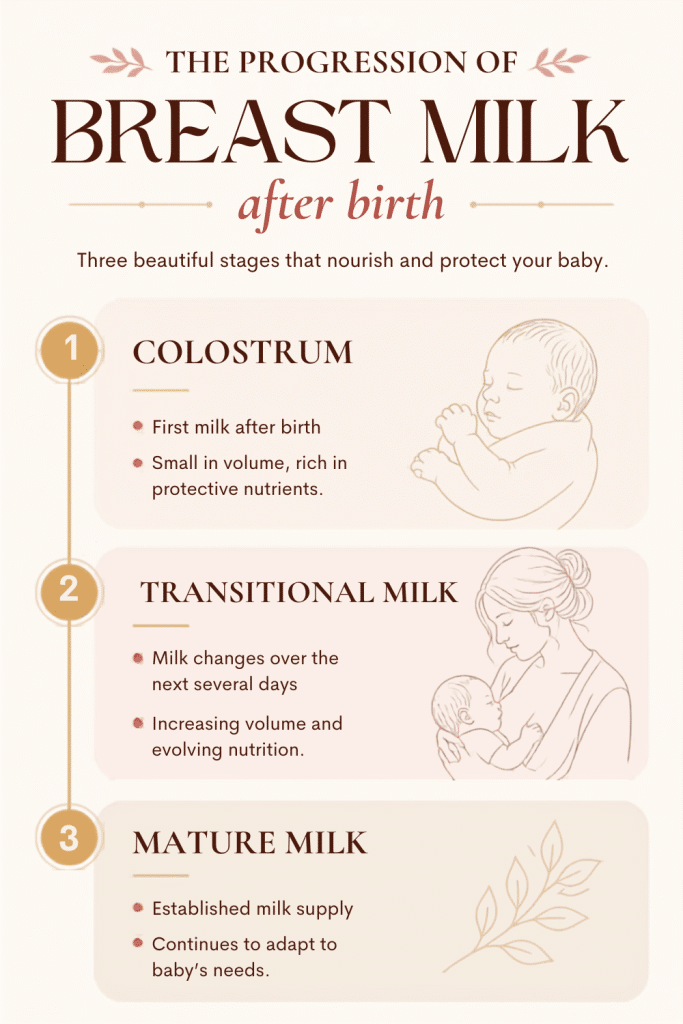
Below we will cover the first stage of breastmilk- colostrum. This stuff is GOLD- literally in color and in it’s value. Its gold color shows that it is rich in nutrients your baby needs. Over the course of the first few days your milk will change to become thinner, but increase in volume. That’s great, since your baby’s tummy is tiny for the first few days anyway, then it expands as the milk starts flowing.
Also, we will cover what to watch for as warning signs for breastfeeding and when to reach out for help. Take note on how to help your breast milk production as well.
Breastfeeding is a great way to bond with your baby while providing individualized nutrition. Let’s start by learning about the common question “when does breastmilk come in?”
Understanding Colostrum (Days 0-3)
- What is colostrum?
- “First milk” produced from mom
- Why it’s called “liquid gold”
- Full of nutrients and for it’s typical gold coloring
- 6-8x more protein than mature milk, 3x more calories
- Cholesterol for brain growth
- Normal colostrum amounts
- Daily production typically 30-100mL
- Benefits for newborn
- Provides a protective barrier in the gut
- Provides healthy gut biome for the infant
- Reduces risk of infection
See this link for more details on colostrum
When Does Breastmilk Come In? (Usual Timeline)
- Average timeline (2-5 days postpartum), typically day 3
- Factors affecting timing:
- First-time vs. experienced mothers
- first time moms usually have a bit of a delay compared to experienced moms- their body already knows how to make milk
- Type of delivery (vaginal vs. C-section)
- C/S moms have to recover from surgery, so the happy hormones for milk production can be delayed or overshadowed by the pain, blood loss, and increased cortisol from healing.
- Feeding frequency (on-demand or scheduled)
- On demand feeding will help your body recognize the need to feed a new baby. Typically after the first 24 hours your baby will wake up more and be more hungry as they recover from the trauma of birth. Allow your baby to nurse on demand for better supply in the long run.
- Medical conditions (Hypertension, PCOS, Thyroid issues)
- Pregnancy complications (birth trauma, medications)
- First-time vs. experienced mothers
Physical Signs Your Breastmilk is Coming In
- Breast Changes
- Fullness and firmness
- Size increase
- Temperature changes- warmth
- Possible engorgement- fullness, swelling
- Milk Changes
- Color transition- from yellow/gold, to white
- Consistency changes- thick and sticky to thin liquid
- Volume increases
- Baby’s Behavior
- Swallowing patterns- audible swallows and more rhythmic suckling
- Feeding duration changes- eventually shorter feeds with longer sleep sessions between feeds
- Diaper output changes- heavier wet diapers, yellow and seedy poop

Common Concerns and Solutions
- How do I know my baby is getting enough?
- Feeding 8–12 times/24 hours
- You can hear/see swallowing
- Increasing wet diapers
- Appropriate stool transition
- Baby is increasingly satisfied after feeds
- Weight is being monitored appropriately
- Managing engorgement
- Cabbage leaves in the bra can help reduce the pain and swelling of engorgement
- Ibuprofen for swelling reduction
- Breast- gymnastics (see link for information)
- Reverse- pressure softening to help with latch
- Signs of insufficient milk
- Baby is still acting hungry after feeding from both sides
- Diapers are not consistent with needing a diaper change with most feeds
- Baby is frustrated at the breast
- Read this post to learn how to increase your supply https://justaskjennp.com/increasing-breastmilk-supply/
- When to seek help
- Anytime you need support or confirmation that you are on the right track!
- Persistent nipple pain with latch
- Supply concerns
- Supporting milk production
- See this link for the best foods to eat https://justaskjennp.com/15-natural-foods-to-boost-breastmilk-supply/
- See this link for herbal galatagpgues https://justaskjennp.com/herbal-supplements-for-lactation/
- Hydrate!
- Eat!
- Rest!
- Remove milk frequently!
Still wondering if your baby is getting enough?
The first few days with a newborn can leave you questioning everything—especially whether your baby is feeding enough, getting enough milk, and whether what you’re seeing is normal.
That’s exactly why I created Latchd: Baby Tracker and Coach
The Latchd App is your newborn support tool from a pediatric NP and IBCLC, helping you make sense of feeding, diapers, pumping, sleep and those middle-of-the-night “Is this normal?” questions.

Get Latchd and feel a little less alone in those first weeks.
Tips for Supporting Milk Production
See my link here for best ways to support breast milk production.
- Frequency of Feeding
- Optimal feeding schedule
- I encourage the moms in my practice to feed their babies every 2-2.5 hours or more often during the day and allow a stretch of 4-5 hours at night if their baby sleeps that long. If the baby wakes earlier, feed the baby.
- The CDC guidelines encourage 8-12 feedings per 24 hours
- Importance of night feeds
- Skipping night feedings too early can cause poor weight gain and low milk production.
- Optimal feeding schedule
- Proper Positioning
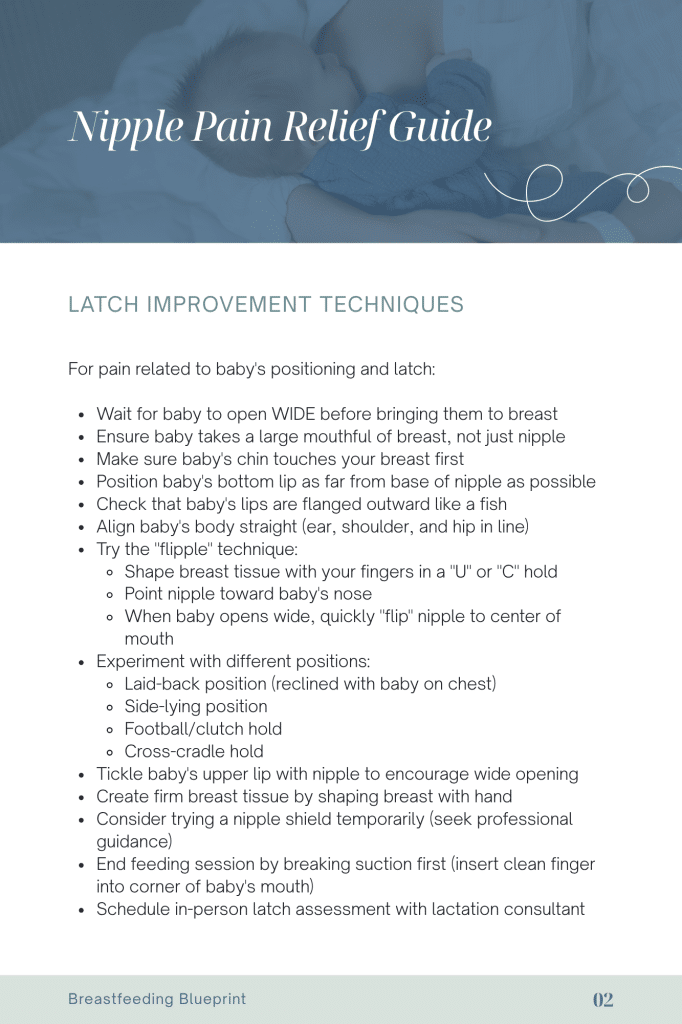
- Achieving good latch
- Aim nipple to nose to encourage a big mouth and allow the nipple to come down on top of the tongue for better latch.
- See this link to LaLeche for better understanding https://llli.org/breastfeeding-info/positioning/
- Common positions
- Cross cradle- my favorite position to get the best latch from a newborn. Best head support and breast support for the learning diad.
- Cradle hold- most comfortable for mom once latch is achieved independently.
- Football hold- a good option used mostly in the hospital to get a deep latch and keep pressure off a tender cesarean section abdomen.
- Achieving good latch
- Self-Care
- Hydration
- Drink water throughout the day, even when you’re not thirsty. Include electrolytes daily.
- Nutrition
- Healthy, whole food choices are best. Focus on whole grains (oatmeal, barley), leafy veggies, seeds and nuts, lean proteins
- Rest
- Take advantage of your baby’s frequent nap schedule and sneak in some shut eye as much as you can.
- Hydration
- Common Mistakes to Avoid
- Keeping your baby on a rigid schedule.
- Not resting while your baby rests
- Continuing a feeding with a poor latch
- Letting your baby fall asleep at the breast
Essential Supplies for Breastfeeding Mothers


Troubleshooting Guide
- Red flags to watch for
- Lethargic baby (too sleepy to attempt to feed)
- Jaundice- yellowing of your baby’s skin
- Decreased diaper count
- Red, painful breast with flu like symptoms (mastitis)
- Common challenges
- Engorgement
- Shallow latch
- Over supplementing without enough breast stimulation
- Solutions and interventions
- Feed on demand every 2-3 hours
- Ensure a deep latch from the start, or re-latch if needed
- Ibuprofen, cool cabbage leaves and reverse- pressure softening for engorgement
- When to contact a lactation consultant
- Persistent pain with latch
- Questions about supply (over or under)
- Any time there is a concern with feeding!
This is a sample of a protocol from one of the books I have published on my site for the main breastfeeding concerns and questions with easy to follow decision trees and guidelines.
FAQ Section
- “How do I know if my breastmilk has come in?”
- Listen for your baby’s swallow at the breast. Is there milk on your baby’s face following a feeding? Spitting up? Content after a feeding?
- “Is it normal for milk to come in later?”
- Delayed milk production can happen for various reasons- birth trauma, PCOS, first time mom, hypertension, infrequent feedings. Typically milk has transitioned by day 5.
- “Do I need to supplement before my milk comes in?”
- Not usually. Colostrum is high calorie and made just for your baby. However, in some cases supplementing is needed, and that’s okay. A weight loss of greater than 10%, jaundice, low sugar are all medical reasons to need to supplement. Just remember that a fed baby is the best baby and calories equal energy, a baby who is losing too much weight doesn’t have the energy to breastfeed effectively.
- “How much milk should I expect at first?”
- Your breasts will increase the volume of breastmilk gradually and it will depend on how much they are being emptied. Colostrum is measured in mililiters, and as the milk transitions we usually see 1-2 ounces every 3 hours at the end of the first week.
- “What if my breasts don’t feel full?”
- Just because they don’t feel full, doesn’t mean there is no milk. Once the breasts have passed the engorgement phase the breasts are meant to hold milk comfortably.
- “Can stress affect when milk comes in?”
- Cortisol is a stress hormone that regulates the “fight or flight” response in our bodies. If we have a lot of cortisol it can overshadow the happy hormones of oxytocin to allow a milk let down easily. Try to keep stress levels down when possible.
- “How long does it take for milk supply to regulate?”
- Oversupply and undersupply are both troublesome to the new breastfeeding couplet. Generally it takes a few days of correction to see the regulation taking place.
Additional Resources
La Leche League is a great resource for lactation help https://llli.org
Breastfeeding is a personal journey and it will look different for each mom. Be kind to yourself and trust the process. There are 3 key parts to breastfeeding. The first priority is to feed your baby. The second priority is to protect your supply. Next, put the two together.
Remember that your baby will likely lose weight for the first few days after delivery, that is normal. However, the limit is 10% weight loss from birthweight. If your baby is losing weight faster than you can supply milk with a delayed milk supply, supplement with formula or donor milk as you need to for your baby’s health. Remember, calories equal energy, and if your baby is losing weight, they will not have the energy to effectively breastfeed.
If your baby is too tired to breastfeed effectively, or had to stay in the NICU, or you have struggled to get a good latch… pump your breasts to provide stimulation to encourage your milk supply to transition. Use that colostrum/milk to supplement while waiting for your baby to latch and transfer milk on their own.
Hand expression is more beneficial than a pump when you are still in the colostrum phase. Check out this video from Stanford Medicine for great techniques.
These first two steps may take several weeks to bring together for breastfeeding to be the typical mom/baby dyad with your infant suckling from the breast without difficulty and gaining weight appropriately. Be patient. Continue to offer the breast in a relaxed manner. Seek help as needed from a lactation support person.
