
Ready for Solids: Reading Your Baby’s Individual Signs

How to confidently navigate the 4-6 month window and choose the right approach for your baby
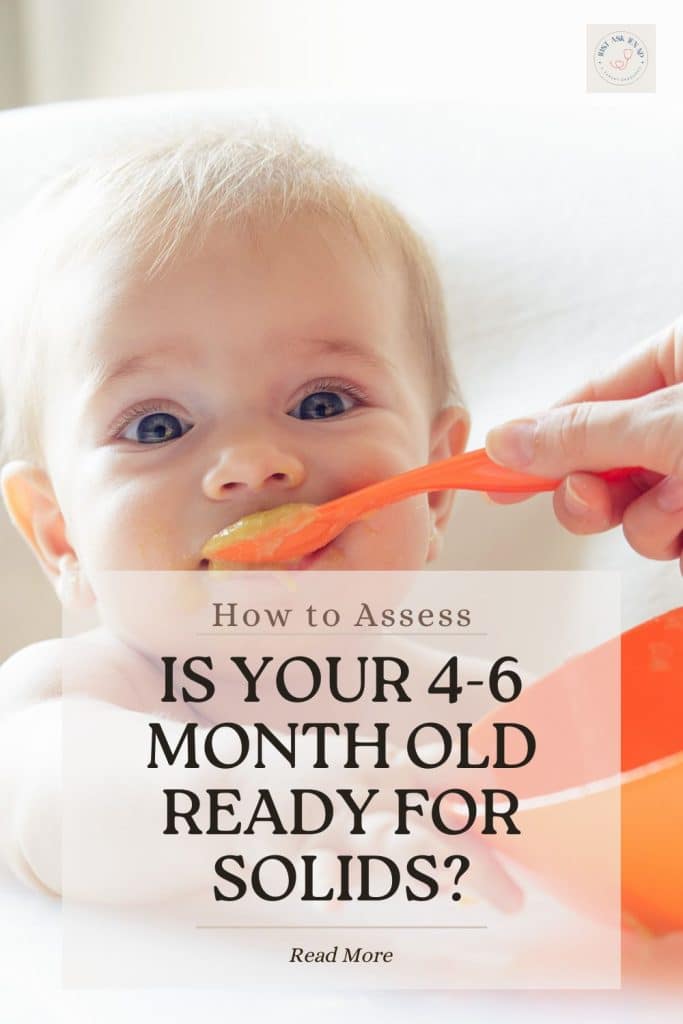
As a nurse practitioner, one of the most frequent questions I hear from parents is: “My baby is 4 months old and seems interested in food. Are they ready for solids?”
Here’s what I always tell families: every baby develops at their own pace, and you know your baby best. While guidelines suggest around 6 months, some babies may show true readiness signs earlier, and that’s perfectly okay when approached thoughtfully.
The key is understanding what readiness actually looks like and matching your approach to your baby’s developmental stage.
Understanding the 4-6 Month Window and if that means they are Ready for Solids
The 4-6 month period can feel confusing because you’re seeing conflicting information everywhere. Some sources say “wait until 6 months,” others mention “4-6 months,” and your baby might be showing signs that seem to point toward readiness.
As a healthcare provider, I support families in making individualized decisions based on their specific baby’s development, not arbitrary timelines. Here’s how to assess if your baby is truly ready for solids at any point in this window.
The Real Readiness Signs (Not Just Interest!)
Many behaviors parents interpret as “food interest” are actually normal developmental milestones. Here’s how to tell the difference:
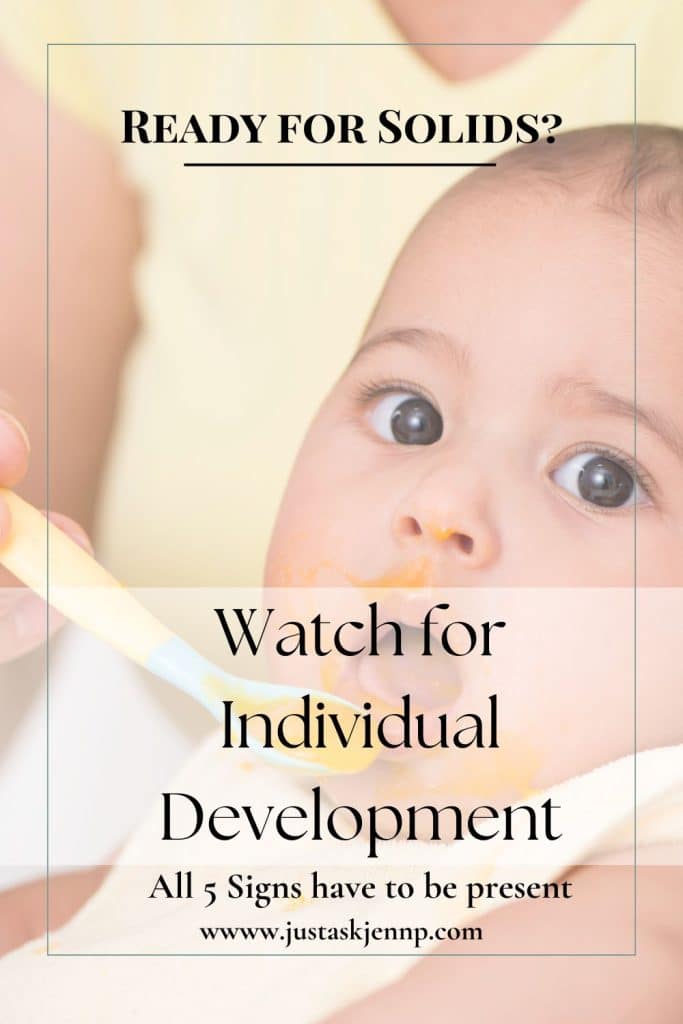
True Ready For Solids Indicators
- Sits upright with minimal support – good head and neck control without fatigue
- Lost the tongue-thrust reflex – food stays in mouth instead of being pushed out
- Opens mouth when food approaches with clear intention
- Can move food to the back of mouth and attempt to swallow
- Shows sustained interest in food beyond general object curiosity
Normal Development (Not Food Readiness)
- Watching you eat – babies are naturally curious about everything you do
- Reaching for objects – including food, but also toys, phones, anything within reach
- Increased nursing/bottle frequency – usually growth spurts, not inadequate nutrition
- Waking more at night – often developmental leaps, not hunger
My Approach: Purees Before 6 Months, Finger Foods After
When babies show true readiness signs before 6 months, I fully support starting solids with an important distinction: stick to purees and very soft textures.
Why Purees First (4-6 months)
Before 6 months, babies are still developing the oral motor skills needed for safe eating:
- Jaw strength is still building
- Chewing motions aren’t fully coordinated
- Gag reflex is still developing proper positioning
- Swallowing coordination needs practice with smooth textures
Purees allow babies to:
- Practice moving food around their mouth
- Learn the mechanics of swallowing solids
- Develop taste preferences safely
- Build confidence with eating

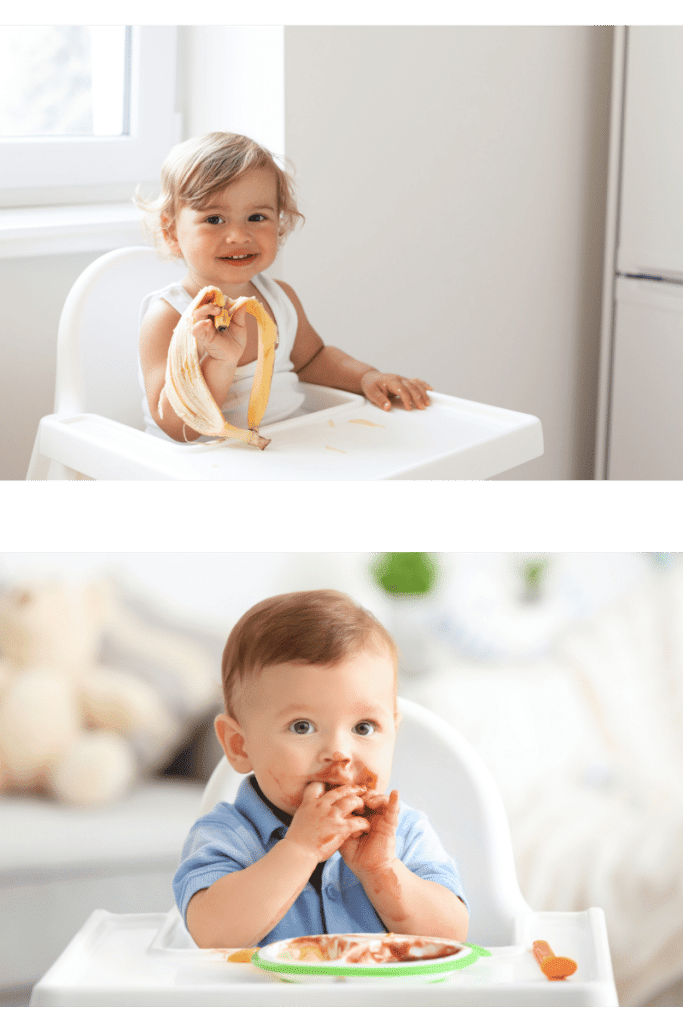
Baby-Led Weaning After 6 Months
Once babies reach 6 months and have established some eating experience, their oral motor skills can typically handle:
- Finger foods cut to appropriate sizes
- Self-feeding with appropriately soft textures
- More complex textures that require chewing motions
- Multiple food groups introduced more quickly
This progression supports natural development while keeping safety at the forefront.
My Go-To First Foods: Yellow Vegetables
Whether you’re starting at 4, 5, or 6 months, I consistently recommend beginning with yellow vegetables – carrots, sweet potatoes, and butternut squash. Here’s why this approach works beautifully:
Perfect for Early Oral Motor Development
- Smooth when pureed – ideal for practicing swallowing
- Naturally sweet – appealing without added sugars
- Rich, vibrant colors – visually engaging for babies
- Easy to digest – gentle on developing digestive systems
Nutritional Powerhouses
- Beta-carotene for immune function and vision development
- Natural sweetness that doesn’t overstimulate taste buds
- Good fiber content when age-appropriate
- Versatile nutrition that grows with baby’s needs
Transitioning Approaches as Baby Grows
4-5 Months (If Showing Readiness)
- Focus: Oral motor skill development
- Textures: Smooth purees only
- Frequency: Once daily, small amounts
- Goal: Learning to eat, not nutrition replacement
6+ Months (Established Eaters)
- Focus: Expanding variety and self-feeding skills
- Textures: Purees plus appropriate finger foods
- Frequency: 2-3 meals daily
- Goal: Nutritional contribution plus continued skill building
This is when baby-led weaning becomes appropriate and safe, allowing babies to explore textures and practice self-feeding with properly prepared foods.
Introducing Allergies and Iron: The 6-Month Advantage
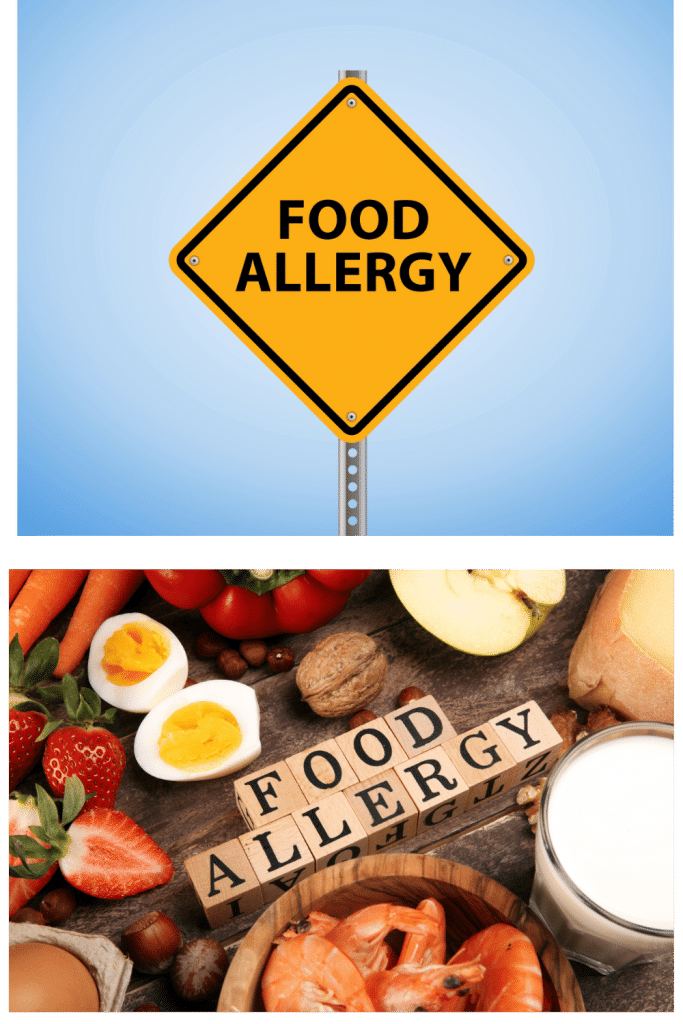
Regardless of when you start purees, I recommend waiting until 6 months for:
Common Allergen Introduction
- Better oral motor control for handling varied textures safely
- More predictable meal routines for monitoring reactions
- Improved ability to communicate discomfort if reactions occur
Iron-Rich Foods
Around 6 months, babies’ iron stores begin depleting, making iron-fortified cereals and pureed meats important additions.
Supporting Your Decision
If Starting Before 6 Months
- Focus on single-ingredient purees
- Introduce foods slowly (3-5 days each)
- Watch for readiness signs, not just age
- Don’t worry if baby seems uninterested – they may need more time
- No pressure, food is just for fun
If Waiting Until 6 Months
- You’re following current guidelines perfectly
- Baby may progress through textures more quickly
- Can introduce multiple approaches simultaneously
- May have fewer feeding struggles
Trust Your Instincts (With Safety Guidelines)
What I love most about working with families is seeing parents trust their knowledge of their own baby. You see them every day, you know their temperament, and you understand their development better than any guideline can capture.
The key is combining your instincts with safety-first approaches:
- Match textures to developmental abilities
- Introduce foods systematically
- Watch for true readiness, not just curiosity
- Progress at your baby’s pace, not timeline expectations
Ready to Start Your Solids Journey?
Whether you’re considering starting now or waiting a few more weeks, having a clear plan removes the guesswork and stress from this exciting milestone.
Download my free Starting Solids Checklist to ensure you’re prepared for whatever approach feels right for your family. This comprehensive guide covers readiness assessment, first food recommendations, and safety protocols for every stage.
For families ready for complete guidance through the entire milk-to-meals transition, my Milk to Meals ebook provides the detailed roadmap I use with families in my practice.
Inside Milk to Meals, you’ll discover:
- Individual readiness assessment tools to confidently evaluate your baby
- Stage-appropriate feeding progressions from purees to finger foods
- Troubleshooting guides for common feeding challenges
- Baby-led weaning transition strategies for 6+ months
- Allergy introduction protocols following current research
Don’t let confusion about timing rob you of enjoying this milestone. Get the personalized guidance you need to make confident decisions for your unique baby.
Ready to create a feeding plan that works for YOUR baby? Download your free checklist and discover how the Milk to Meals system supports your family’s individual journey.
