
12 Natural Remedies for Children with Common Illnesses: What Works and What Doesn’t

When children fall ill, many parents seek natural remedies for children alongside conventional medicine. While some traditional treatments have scientific backing, others may be ineffective or even harmful. This guide examines common natural remedies, separating fact from fiction based on current medical research.
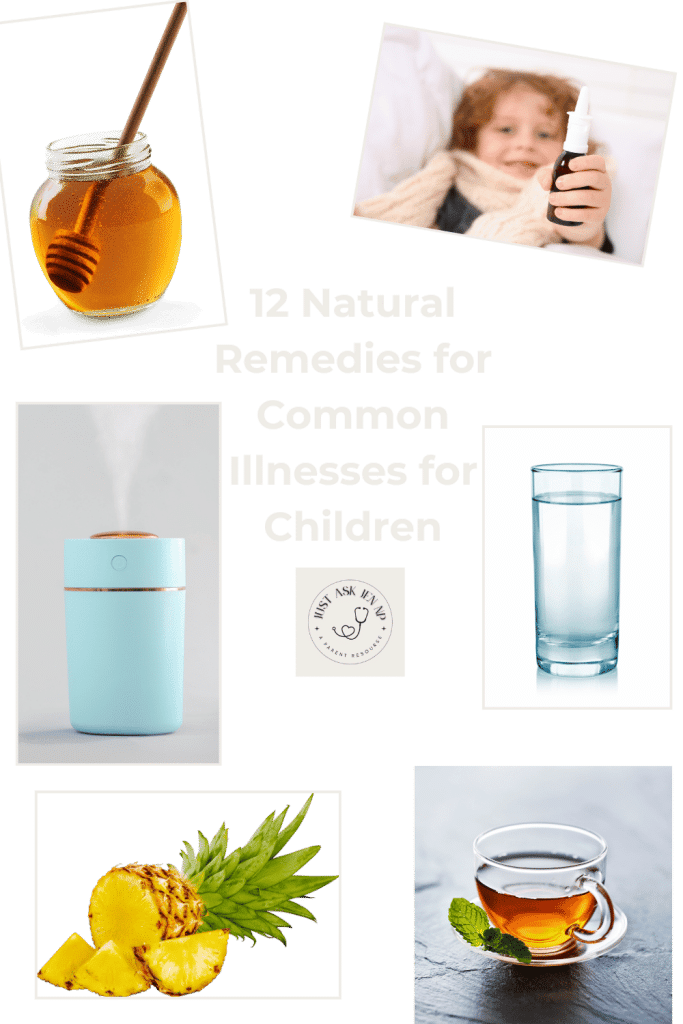
Fever Management
What Works:
- Lukewarm baths can help reduce fever discomfort
- Light clothing and maintaining room temperature around 70°F (21°C)
- Adequate hydration with water and clear broths
What Doesn’t:
- Cold baths or alcohol rubs (can cause shivering and raise body temperature)
- Overdressing the child (can trap heat)
- “Sweating out” a fever (can lead to dehydration)
Sore Throat Relief

What Works:
- Honey (for children over 1 year) reduces cough frequency and improves sleep
- Warm salt water gargles decrease inflammation
- Chamomile tea provides soothing effects
- Fresh pineapple or pineapple juice (contains bromelain, an enzyme with anti-inflammatory properties)
What Doesn’t:
- Apple cider vinegar gargles (may erode tooth enamel)
- Essential oils taken internally
- Honey for infants under 12 months (risk of botulism)
Digestive Issues
What Works:
- Ginger tea for nausea (in small amounts for older children)
- BRAT diet (Bananas, Rice, Applesauce, Toast) for mild diarrhea
- Probiotics during/after antibiotic treatment
- Fresh pineapple for indigestion (the enzymes aid digestion)
What Doesn’t:
- Activated charcoal (can interfere with medication absorption)
- Strict fasting during stomach upset
- Dairy products during acute diarrhea
Common Cold and Congestion
What Works:
- Saline nasal drops/sprays to clear congestion
- Humidifier use in the bedroom
- Elevated head position during sleep
What Doesn’t:
- Vitamin C megadoses (excess is simply excreted)
- Zinc supplements for young children
- Echinacea (research shows minimal benefit)
Ear Infections

What Works:
- Warm compress applied to the outer ear for pain relief
- Elevating the head during sleep to promote drainage
- Saline nasal spray/drops
- Check this post for more information on ear infections https://justaskjennp.com/ear-infection-relief/
What Doesn’t:
- Tea tree oil in or near ears (can cause irritation and damage)
- Hydrogen peroxide drops (can irritate already inflamed tissue)
- Cotton swabs inserted into ear canal (can pack wax and cause injury)
- Olive oil drops without doctor consultation (may hide eardrum perforation)
Important Cautions:
- Never use ear drops if:
- There’s fluid draining from the ear
- You suspect a perforated eardrum
- Your child has ear tubes
- Seek immediate medical attention if:
- Severe pain develops
- Fever accompanies ear pain
- Your child is under 6 months old
- Symptoms persist more than 24 hours
Important Safety Notes on Natural Remedies for Children
- Always consult your pediatrician before trying natural remedies, especially for:
- Children under 2 years
- Children with chronic conditions
- When combining with prescribed medications
- Watch for warning signs requiring immediate medical attention:
- High fever (102°F/39°C or higher)
- Difficulty breathing
- Severe dehydration
- Unusual lethargy or irritability
The Role of Natural Remedies for Children
Natural remedies can complement conventional medicine but should not replace it. They work best for:
- Mild symptoms
- Comfort measures
- Supporting the body’s natural healing process
Remember that “natural” doesn’t automatically mean safe. Some natural substances can be powerful and potentially dangerous if misused.
For more information on common illnesses in infants, see this post https://justaskjennp.com/common-viral-infections-in-infants/
For the best products on the market for your baby’s first cold, see this link https://justaskjennp.com/products-for-baby-first-cold/
Conclusion
While many traditional remedies have earned their place in home care, others lack scientific support or may pose risks. Focus on evidence-based natural treatments, maintain open communication with your healthcare provider, and remember that some childhood illnesses require professional medical intervention.
If you are needing a weight-based dosing guide for Tylenol or Ibuprofen, use this link https://justaskjennp.com/pediatric-medication-dosage-guide/
For more ideas, check out this post https://www.healthychildren.org/English/health-issues/conditions/chest-lungs/Pages/Coughs-and-Colds-Medicines-or-Home-Remedies.aspx
Disclaimer: This article is for informational purposes only and should not replace professional medical advice. Always consult your healthcare provider before starting any treatment regimen for your child.
