
Common Viral Infections in Infants: 2025 Parent’s Complete Guide

Did you know that infants encounter an average of 6-8 viral infections in their first year of life? While this statistic might sound alarming, I’m here to help you navigate this challenging aspect of parenthood! As a new parent, understanding viral infections in infants is crucial for your baby’s health and your peace of mind. From the familiar common cold to more serious conditions, we’ll explore everything you need to know about identifying, treating, and preventing viral infections in your little one.
Most Common Viral Infections Affecting Infants
- Respiratory Syncytial Virus (RSV) – leading cause of bronchiolitis in infants
- Common cold (rhinovirus)
- Rotavirus and other gastrointestinal viruses
- Hand, foot, and mouth disease
- Fifth disease (parvovirus B19)
- Viral rashes and infections
Key warning signs in infants:
- Fever (100.4°F/38°C or higher)
- Decreased wet diapers (less than 4-6 per day)
- Unusual fussiness or irritability
- Changes in crying pattern
- Decreased activity or lethargy
- Poor feeding habits
- Difficulty breathing or rapid breathing
Age-specific symptoms to watch for: 0-3 months:
- Any fever at all (even low-grade)
- Refusing to nurse or take bottle
- Excessive sleepiness
- Pale or mottled skin
- Breathing fast (>60/min)
3-6 months:
- High fever lasting more than 24 hours
- Cough with difficulty breathing
- Decreased urine output
- Loss of appetite
6-12 months:
- Fever with unusual behavior
- Signs of dehydration
- Significant decrease in activity
- Trouble sleeping or excessive tiredness
Red flags requiring immediate medical attention:
- Fever in infants under 2 months
- Difficulty breathing or wheezing
- Signs of dehydration (dry mouth, no tears, sunken soft spot)
- Seizures or convulsions
- Severe lethargy or unresponsiveness
- Rash that doesn’t blanch when pressed
- Bluish or gray skin color
Difference between viral and bacterial infections:
Viral:
- Gradual onset with low grade fever and fussiness initially
- Clear or watery nasal discharge
- Gradual increase in cough and congestion
- Symptoms peak then gradually improve
Bacterial:
- Worsening symptoms following a typical cold
- New onset of fever and additional symptoms (cough, vomiting, ear pain…)
- Colored nasal discharge can be the end of a viral illness, or the onset of bacterial secondary infection (ear infection, sinus infection)
- Symptoms steadily worsen without treatment
Common complications of Viral Infections in infants:
- Dehydration
- Secondary ear infections
- Pneumonia
- Bronchiolitis
- Sinus infections
- Febrile seizures
Impact on feeding and sleep patterns: Feeding changes:
- Decreased appetite
- Difficulty nursing or bottle-feeding
- More frequent feeding but shorter duration
- Trouble swallowing
Sleep changes:
- Increased sleep needs
- Difficulty staying asleep
- Changes in nap patterns
- Restlessness during sleep
- Need for more upright positioning
Treatment Options and Home Care
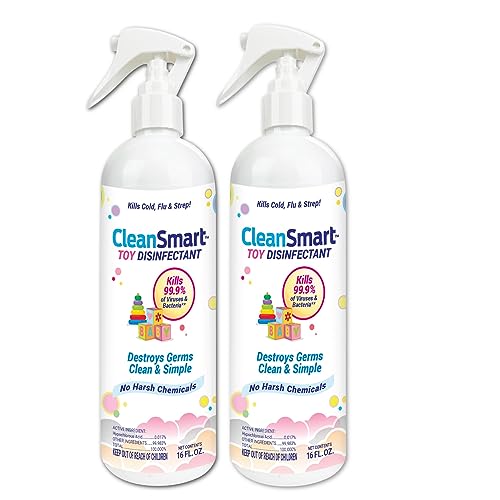
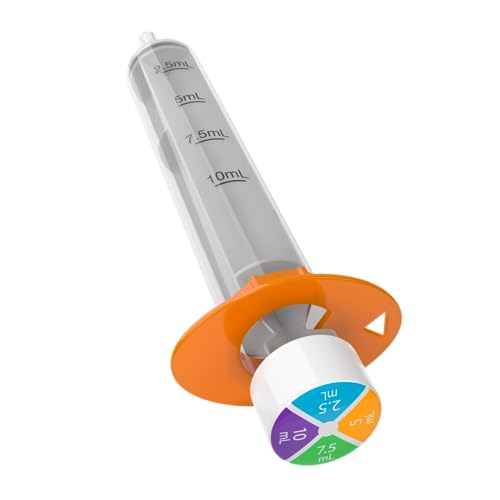
See this link for the best products for the home medical kit









Safe over-the-counter medications for infants:
- Infant acetaminophen (only as directed by doctor)
- Saline drops for nasal congestion
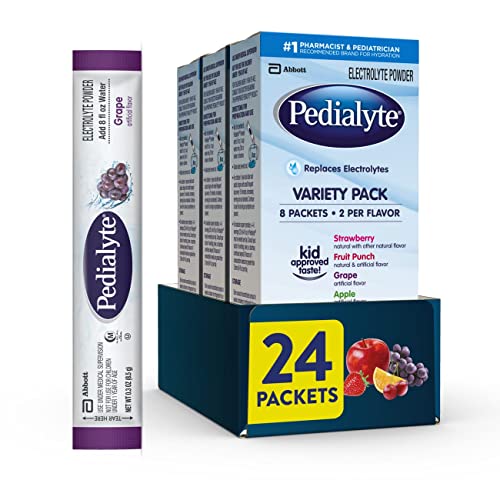
- Infant electrolyte solutions (is Pedialyte)
- Age-appropriate cough/cold medicines (consult doctor- nothing under 4years)
- Zarbees mucous relief
- Never use aspirin in children under 18
- Check all dosages by weight and age
Natural remedies and comfort measures:
- Humidifier in sleep area
- Gentle nasal suctioning
- Nose frida
- Warm baths for comfort
- Baby massage
- Skin-to-skin contact
- Upright holding for congestion
Proper hydration techniques:
- Offer breast/bottle more frequently
- Small, frequent feeding sessions
- Track wet diapers (4-6 minimum daily)
- Recognize dehydration signs
- Use oral rehydration solutions if recommended
- Monitor urine color and frequency
Fever management strategies:
- Light clothing layers
- Room temperature 68-72°F
- Lukewarm (not cold) baths
- Never use alcohol baths
- Track temperature trends
- Know when to call doctor (age-dependent)
Rest and recovery recommendations:
- Extra sleep opportunities
- Quiet environment
- Regular position changes
- Reduced stimulation
- Normal sleep routine when possible
Monitoring your baby’s condition:
- Keep symptom diary
- Track feeding times/amounts
- Document temperature readings
- Note medication timing/responses
- Watch for worsening symptoms
- Record wet/soiled diapers
Prevention Strategies
Vaccination schedules and recommendations:
- Follow CDC recommended schedule
- Track upcoming vaccinations
- Keep immunization records updated
- Understand vaccine timing windows
- Know combination vaccine options
- Discuss concerns with pediatrician
Hand hygiene and sanitization:
- Wash hands for 20 seconds minimum
- Key handwashing moments:
- Before touching baby
- After diaper changes
- Before feeding
- After using bathroom
- Use alcohol-based sanitizer when soap unavailable
- Teach siblings proper technique
Environmental cleaning tips:
- Daily cleaning of high-touch surfaces
- Weekly disinfection of toys
- Regular washing of bedding
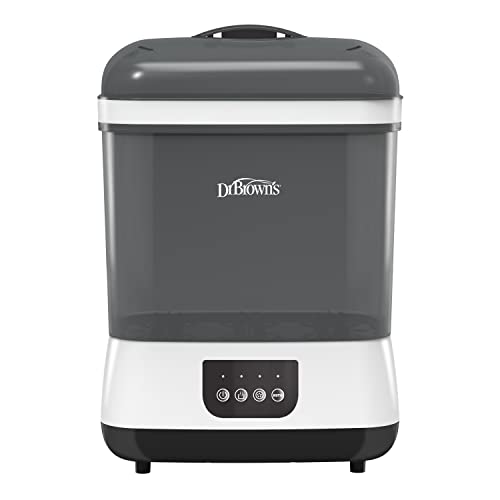
- Proper sterilization of bottles/pumping equipment
- Natural cleaning products when possible
- Adequate ventilation in baby’s room
Breastfeeding benefits for immunity:
- Transfer of maternal antibodies
- Custom immune protection
- Protective factors against infections
- Enhanced vaccine response
- Digestive system support
- Long-term immune benefits
Limiting exposure to sick individuals:
- Screen visitors for illness
- Avoid large crowds first 2-3 months
- Keep distance from sick siblings
- Postpone non-essential outings
- Create a “health barrier” policy
- Use protective covers on car seats/strollers
Building a strong immune system:
- Ensure adequate sleep
- Maintain feeding schedule
- Regular tummy time
- Fresh air exposure when weather permits
- Age-appropriate probiotics (if recommended)
- Stress-free environment
Impact on Family Life and Daily Routine
Managing siblings during illness:
- Set up a separate play area for healthy siblings
- Assign different caregivers if possible
- Maintain regular routines for well children
- Explain illness in age-appropriate terms
- Practice extra hand hygiene for everyone
- Create special quiet activities for sick child
Daycare considerations:
- Know the facility’s illness policy
- Required time period before returning
- Documentation needed from doctor
- Back-up care arrangements
- Communicating with daycare staff
- Preventing spread to other children
Travel guidelines with sick infants:
- Postpone non-essential travel
- Consult pediatrician before flying
- Pack emergency medical supplies
- Carry medical history documentation
- Know local healthcare options
- Consider altitude and climate impact
Creating a sick-day action plan:
- Emergency contact numbers readily available
- Medication schedule and dosage chart
- Symptoms tracking sheet
- List of comfort measures that work
- Quick-grab bag with essentials
- Clear instructions for all caregivers
Supporting the whole family:
- Divide caregiving responsibilities
- Accept help from friends/family
- Plan simple meals ahead
- Maintain basic household routines
- Schedule rest periods for parents
- Keep communication open between partners
Return to normal routine:
- Gradual return to activities
- Watch for lingering symptoms
- Rebuild sleep schedule slowly
- Resume regular feeding patterns
- Clean and sanitize home thoroughly
- Monitor siblings for signs of illness
Dealing with viral infections in infants can be overwhelming, but you’re now equipped with the knowledge to handle these challenging situations! Remember, most viral infections are mild and self-limiting, though staying vigilant is key. Create your action plan today, save your pediatrician’s number on speed-dial, and trust your parental instincts. Have questions about your baby’s health? Don’t hesitate to reach out to your healthcare provider – they’re your best ally in keeping your little one healthy and happy!
