
Scandinavian Baby Sleep: What Outdoor Naps Really Teach Us About Infant Sleep

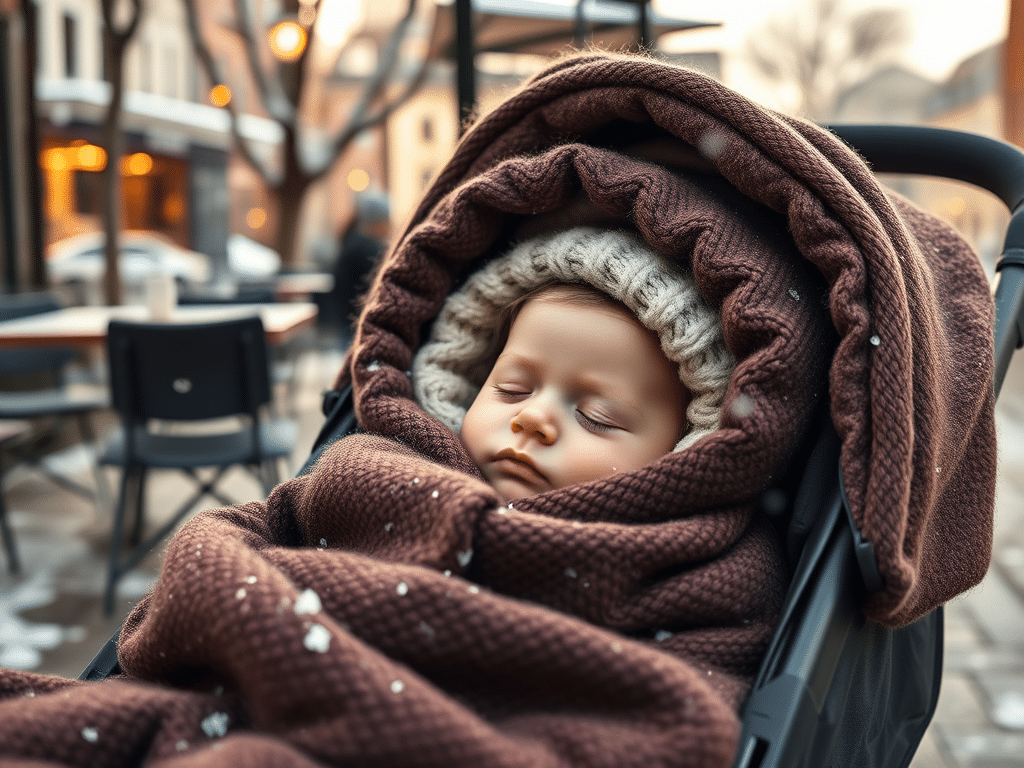
Have you ever been in Europe and seen rows of strollers lined up outside a Copenhagen café, babies sleeping peacefully inside while their parents sipped coffee in the warmth. The temperature? About 25°F. My first thought? “Someone call child services.”
My second thought, after learning this is completely normal in Scandinavia? “Wait… am I doing everything wrong?”
If you’ve spent any time in parenting circles, you’ve probably heard about the Nordic practice of outdoor naps. And if you’re like most of us, you’ve probably wondered: Is this the secret?
Is THIS why I’m still googling “why won’t my baby nap” at 2pm while clutching my third coffee?
Here’s the truth nobody’s telling you: Scandinavian parents also have sleepless nights. They also deal with frequent wake-ups. They also seek professional help for sleep issues. In fact, Swedish research shows that 30% of parents report frequent night waking, and 93% have sought help at Child Health Centres.
So no, outdoor napping isn’t magic. But understanding WHY it works—and why the “perfect sleep environment” also works—can actually help you figure out what might work for YOUR baby. Let’s dive in.
The Scandinavian Approach: What They Actually Do
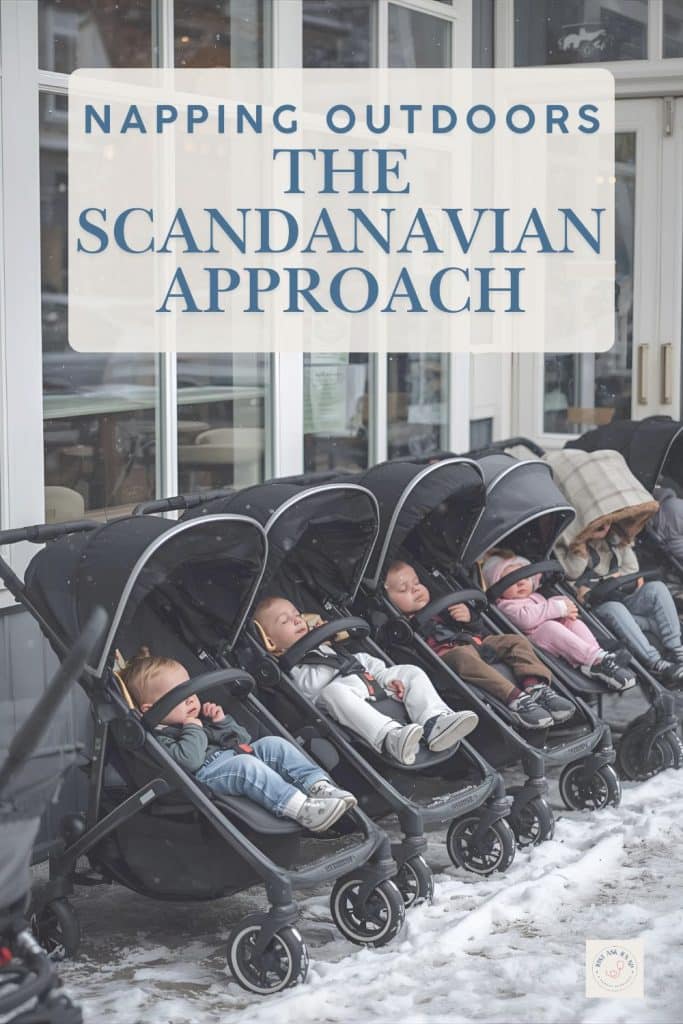
In Norway, Sweden, Denmark, and Finland, putting babies outside to nap isn’t trendy or alternative—it’s just Tuesday. Here’s what the practice actually looks like:
- Year-round outdoor naps, even when temperatures drop to 15°F to -10°F
- Babies are bundled in layers of wool clothing plus insulated sleeping bags designed for extreme cold
- Naps often last 2-3 hours, frequently longer than typical indoor naps
- The practice usually starts within the first few weeks of life
- It happens everywhere: backyards, apartment balconies, outside cafes, at preschools
This isn’t some new parenting fad. It’s been a cultural practice for over a century, rooted in the Nordic belief that fresh air strengthens immunity and promotes better, deeper sleep.
Here is the information from Finland itself
But Here’s What People Don’t Tell You
The outdoor napping tradition helps specifically with daytime sleep quality and duration. Finnish research found that infants slept an average of 92 minutes longer when napping outside versus inside. That’s significant!
But Norwegian studies also show that despite these beautiful outdoor daytime naps, many parents still bedshare at night, still deal with nighttime wakings, and still struggle with sleep challenges just like parents everywhere.

The outdoor napping doesn’t solve all sleep problems. It helps with one piece of the puzzle.
The “Ideal Sleep Environment” Approach
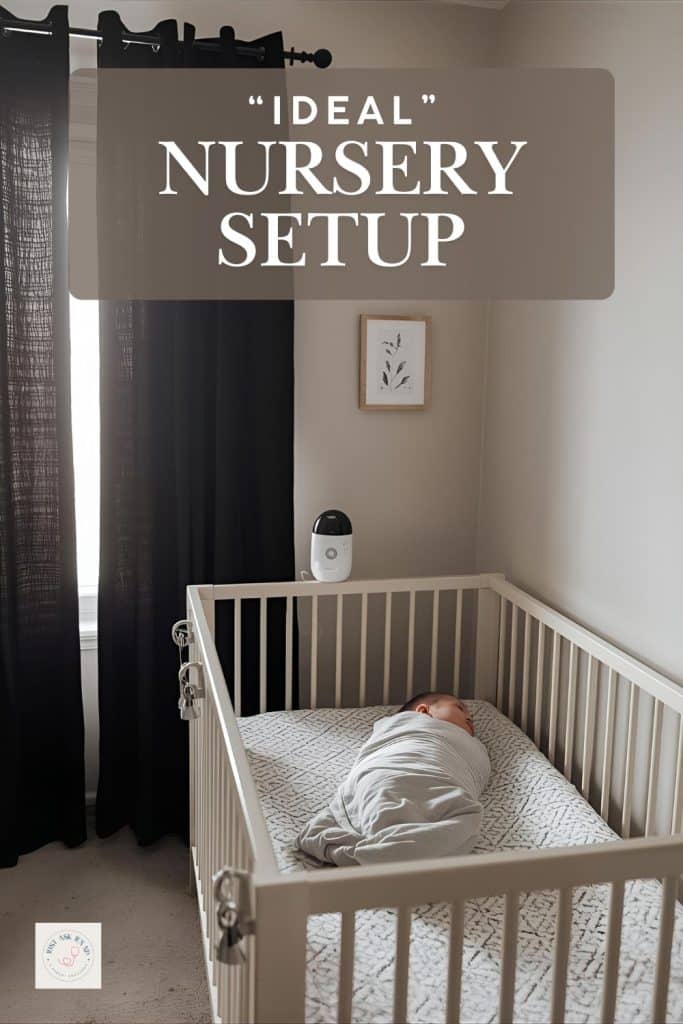
Now let’s talk about what most Western sleep experts recommend—the approach I’ve spent years teaching on this channel. The “ideal sleep environment” includes:
Temperature: Cool but controlled, typically 68-72°F (20-22°C)
Darkness: Complete blackout conditions, especially for naps
Quiet: White noise machines or silence to mask disruptive sounds
Consistency: Same environment every time to build sleep associations
Safety: Controlled indoor environment with monitoring capabilities
The Logic Is Sound
The reasoning behind this approach makes complete sense: minimize disruptions, create predictable conditions, and help babies develop strong sleep associations. When the environment is always the same, babies can more easily recognize “this is sleep time.”
Recommended Products for Creating an Ideal Sleep Environment
If you’re going the controlled environment route, here are tools that actually make a difference:
Blackout Solutions:
- Portable blackout shades for travel or windows that don’t accommodate standard curtains

Uses sticky tape that easily comes off when needed. Cut to size.
- Blackout curtains with thermal insulation (helps with temperature control too)

White Noise:
- Sound machine (allows app control and doubles as a nightlight with cry detection)

Don't worry about disturbing your baby to adjust sounds or lights, with cry detector and and App to allow a parent to control the settings, the nights can be less stressful.
- White noise machine (compact for travel)

Low tech option to get the work done. Travels well with no need for WiFi or and App to use. Simply twist and go. Has a timer and simple "shush".
Temperature Management:

For up to 6 months - sleep sack with swaddle to help with startle reflex.
Monitoring:

Uses a video and a 2-way audio monitor to soothe your baby. Also tracks your baby's breathing during sleep with a band to ensure accurate information. Also provides white background noise.

Know your baby's heart rate, oxygen level, and movement trends while wearing this sock. However, sometimes too much information is actually too much information, use with caution- it is not always reliable and can cause unnecessary anxiety.
The Science: What Does Research Actually Show?
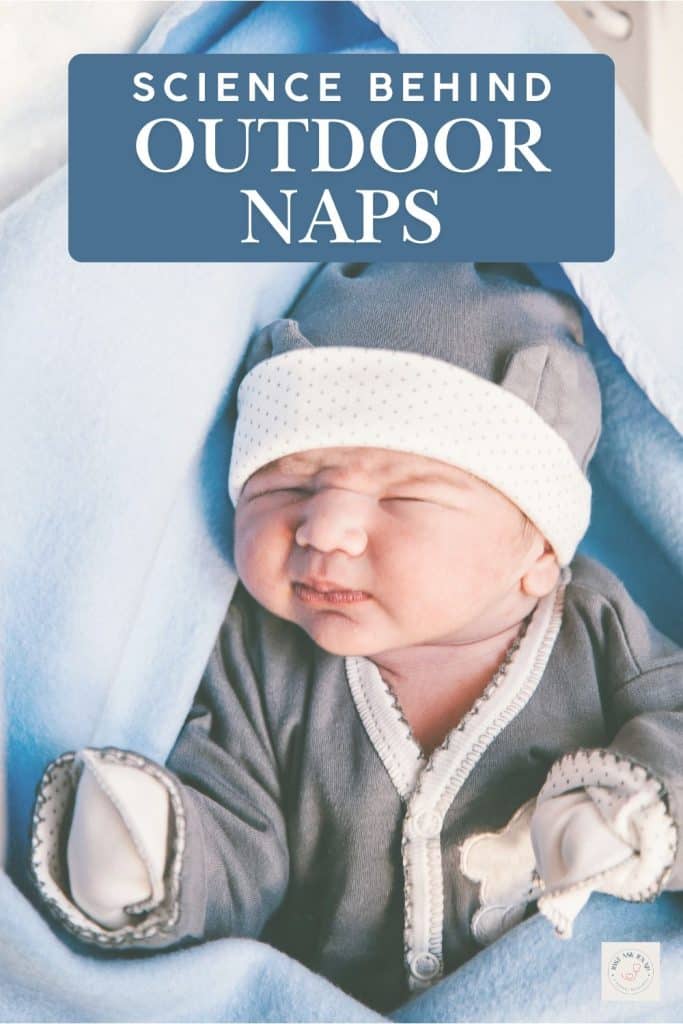
Let’s get into what the research tells us about both approaches.
Benefits of Outdoor Sleep
Fresh Air & Oxygen
Outdoor air typically has higher oxygen levels than indoor air, especially in winter when homes are sealed up tight. Some research suggests this contributes to deeper, more restorative sleep and longer nap durations.
Temperature Regulation
Cold air actually promotes better sleep—it helps lower body temperature, which is a natural sleep trigger. When babies are properly bundled in cold environments, they may experience more consolidated sleep with fewer wake-ups. Think about how well YOU sleep on a cool night under warm blankets.
Immune System Development
Regular exposure to outdoor environments and varying temperatures may help strengthen developing immune systems. The research here is still evolving, but the “hygiene hypothesis” suggests that some environmental exposure is beneficial.
Light Exposure
This is huge: natural light exposure, even on overcast days, helps regulate circadian rhythms. Better circadian rhythm development means better nighttime sleep and more predictable sleep-wake cycles.
Benefits of Controlled Indoor Environments
Safety & Monitoring
Indoor sleeping allows for constant monitoring, which reduces risks and provides peace of mind. There’s no concern about sudden weather changes, air quality issues, or security concerns.
Consistency
Creating the same environment every time helps babies develop strong sleep associations. When everything looks, sounds, and feels the same, babies more easily recognize it’s time to sleep.
Temperature Control
Precise temperature control prevents overheating or getting too cold—both of which can be dangerous for infants, especially newborns who can’t regulate their body temperature effectively.
Reduced Environmental Risks
No concerns about air quality, insects, strangers approaching, or unexpected elements. For urban parents especially, this matters.
The Reality: All Parents Face Sleep Challenges
Here’s where we need to get really honest.
A Swedish study found sobering statistics:
- 16% of parents reported their children had moderate or severe difficulties falling asleep at night
- 30% reported frequent night waking
- 6% of infants met clinical definitions for severe sleep problems
- 93% of parents had sought help for sleep issues at Child Health Centres
- Only 48% were satisfied with the support they received
Let that sink in. In countries where outdoor napping is the norm, where babies nap for 2-3 hours straight in their strollers outside, parents STILL struggle with nighttime sleep. They STILL seek help. They STILL deal with wake-ups.
Cultural Differences in Approach, Not in Problems
The difference isn’t that Scandinavian babies sleep perfectly. The difference is in how parents approach the challenges:
Norwegian parents:
- Often bedshare at night despite outdoor solo naps during the day
- Generally don’t endorse cry-it-out methods
- Emphasize infant security and allowing babies some choice in sleeping arrangements
- Are more flexible about where babies sleep from night to night
- Check out this post on safe bed-sharing
The Key Insight
Outdoor napping helps with daytime sleep quality and duration. It doesn’t magically eliminate nighttime wakings, sleep regressions, or the 4am “I’m wide awake now!” party that every parent dreads.
Every parent, everywhere in the world, deals with baby sleep challenges. The question isn’t “which culture has it figured out?” The question is: what principles can we adapt to our own situations?
The Downsides & Real-World Considerations

Let’s be practical about both approaches.
Concerns with Outdoor Naps
Safety & Monitoring:
- Harder to see and hear your baby immediately
- Weather can change unexpectedly
- Air quality concerns in urban areas (pollution, allergens)
- Security concerns depending on your location
- Risk of overheating or getting too cold if improperly dressed
Practical Limitations:
- Requires appropriate outdoor space (not everyone has a yard or safe balcony)
- Not feasible in all climates or during all seasons
- Cultural acceptance varies wildly—in 1997, a Danish mother was actually arrested in New York City for leaving her baby outside a restaurant while she ate inside, a completely normal practice in Denmark
- Requires specific gear and proper clothing knowledge
The Real Talk: If you live in a high-pollution city, on a busy street, in a climate with extreme heat, or in an area where this practice could result in someone calling authorities on you, outdoor naps may not be practical no matter how great the research looks.
Concerns with Controlled Indoor Sleep
Potential for Sleep Fragility: If babies only ever sleep in absolutely perfect conditions, they may struggle more when conditions aren’t ideal—traveling, staying with relatives, during power outages, or even just when life happens.
Less Natural Light Exposure: Keeping babies in dark rooms for all naps can slow circadian rhythm development. Those wake windows between naps need bright, natural light exposure for optimal sleep-wake cycle regulation.
The Perfection Trap: The pursuit of the “perfect” sleep environment can become stressful and expensive. Not every family can afford multiple sound machines, blackout solutions for every room, and climate control precision.
Reality Check: If you’re spending more time and energy creating the perfect environment than you’re spending sleeping, something’s off.
What Parents Can Actually Do: The Practical Middle Ground
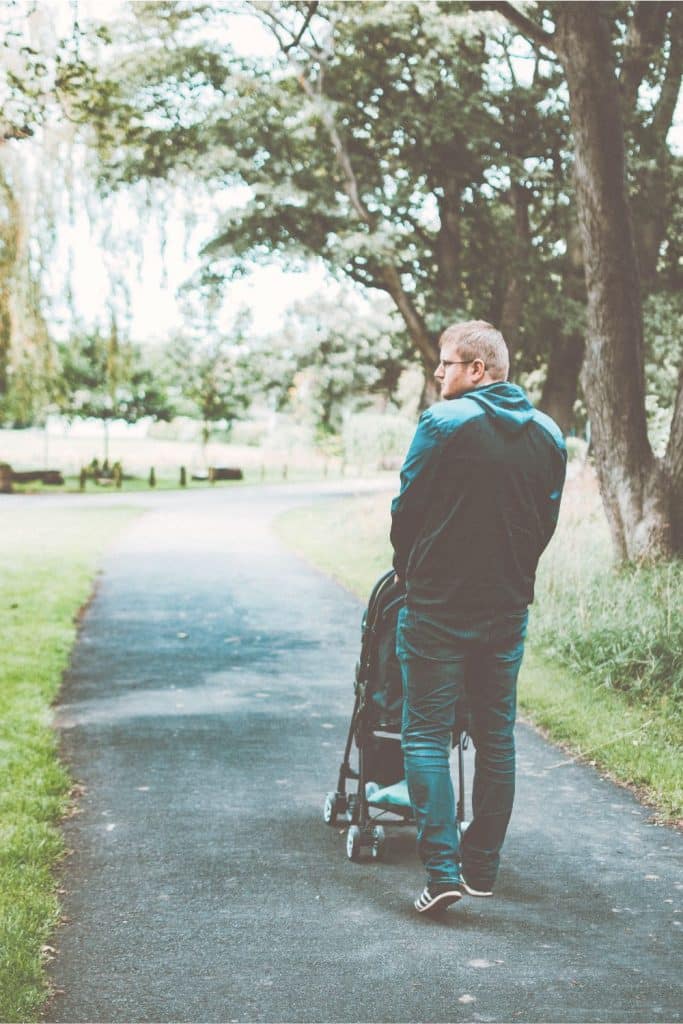
So what’s the takeaway? Sleep challenges are universal, but there are multiple evidence-based approaches that can help. It’s not about finding perfection—it’s about understanding principles and adapting them.
1. Incorporate Fresh Air (Without Going Full Scandinavian)
You don’t need to leave your baby outside in freezing temperatures to get benefits from fresh air:
- Ensure babies get daily outdoor time, even just 20-30 minutes
- Open windows during naps when weather permits and air quality is good
- Consider some naps in a covered porch, screened area, or even just near an open window
- Use stroller naps in your backyard or on a balcony as a middle ground
Recommended Gear for Outdoor Naps:


- All-weather stroller footmuff for cooler weather naps

- Stroller rain cover that still allows airflow

- Layered sleep sacks for outdoor use

- Stroller sunshade for warmer months
2. Don’t Over-Optimize
While having a good sleep environment is valuable, babies don’t need absolute perfection. Some exposure to normal household noise and varying conditions can actually build sleep flexibility.
Consider:
- Not tiptoeing around during all naps
- Gradually introducing some ambient noise
- Occasionally having naps happen in different locations
- Not panicking if conditions aren’t perfect every single time
3. Prioritize Natural Light
This is non-negotiable for healthy circadian rhythm development:
- Get bright light exposure in the morning, ideally within an hour of waking
- Keep daytime awake periods in well-lit areas
- Don’t keep babies in dark rooms all day between naps
- Consider lighter conditions for the first morning nap
4. Safety First, Always
Whatever approach you take, safety is the bottom line:
For outdoor naps:
- Proper layering without overdressing (check baby’s chest and back, not hands/feet)
- Regular monitoring (baby monitor or checking every 15-20 minutes)
- Awareness of temperature extremes in both directions
- Secure location where stroller can’t be moved or accessed
For indoor naps:
- Follow safe sleep guidelines (back to sleep, firm surface, nothing in the crib)
- Maintain safe temperature ranges
- Ensure monitoring capabilities
- Regular safety checks of equipment
5. Embrace That Sleep Challenges Are Normal
If you’re struggling with baby sleep, you’re not alone—and you’re not doing it wrong. Parents in every culture face these challenges.
What matters is finding an approach that:
- Keeps your baby safe
- Works with your living situation
- Doesn’t make you more stressed
- Allows your family to function
6. Consider Your Context
Be realistic about:
- Urban vs. rural environment and air quality
- Your climate and seasonal variations
- Available outdoor space
- Cultural norms where you live
- Your own comfort level and stress tolerance
A Hybrid Approach That Actually Works
Many families find success with flexibility:
- Nighttime: Optimized, consistent indoor environment for the longest sleep stretch
- Daytime: More flexibility with some naps outdoors (weather permitting), some in a darker room, some on-the-go
- Light exposure: Prioritizing bright natural light during wake windows
- Fresh air: Daily outdoor time without pressure for full outdoor naps
Remember: Even if you do everything “right,” you may still have sleep challenges. That’s parenthood, not failure.
The Bottom Line: There Is No Magic Solution

Let’s be real: there is no magic solution that makes all babies sleep perfectly. Scandinavian parents have sleepless nights. American parents have sleepless nights. Parents everywhere are googling “4 month sleep regression” at 3am with one eye open.
But here’s what we can learn: The Scandinavian practice works not because it’s perfect, but because it’s based on sound principles—fresh air, natural light, temperature regulation, and long nap durations. The “ideal sleep environment” works because it’s based on different sound principles—consistency, safety, predictability, and comfort.
Both approaches have merit. Both have limitations. And both exist in the real world where babies wake up, parents get exhausted, and there’s no one-size-fits-all solution.
What Actually Matters
The key isn’t to pick the “right” method and then beat yourself up if it doesn’t work perfectly. The key is to:
- Understand the principles behind different approaches
- Adapt what makes sense for your baby, family, and circumstances
- Accept that sleep challenges are normal and not a sign you’re failing
- Prioritize safety above all else
- Give yourself grace when things don’t go according to plan
Maybe your approach means some outdoor naps when weather permits. Maybe it means a carefully controlled nursery. Maybe it means a hybrid that changes with the seasons. Maybe it looks different than all of these.
What matters is that your baby is safe, you’re confident in your approach, and you’re not measuring yourself against an impossible standard of perfection.
Because good enough really is good enough.
Disclaimer: This post contains affiliate links, which means I may earn a small commission if you purchase through these links at no additional cost to you. I only recommend products I genuinely believe in or would use myself. Always consult with your pediatrician about what’s best for your baby’s individual needs.
