
Managing Eczema in Infants and Children in 2026: A Nurse Practitioner’s Guide

As a pediatric nurse practitioner, one of the most common concerns I hear from parents is about their child’s eczema. Watching your little one struggle with itchy, uncomfortable skin can be heart-wrenching, and navigating treatment options can feel overwhelming. I want you to know that you’re not alone in this journey, and with the right approach, most cases of eczema can be managed effectively.
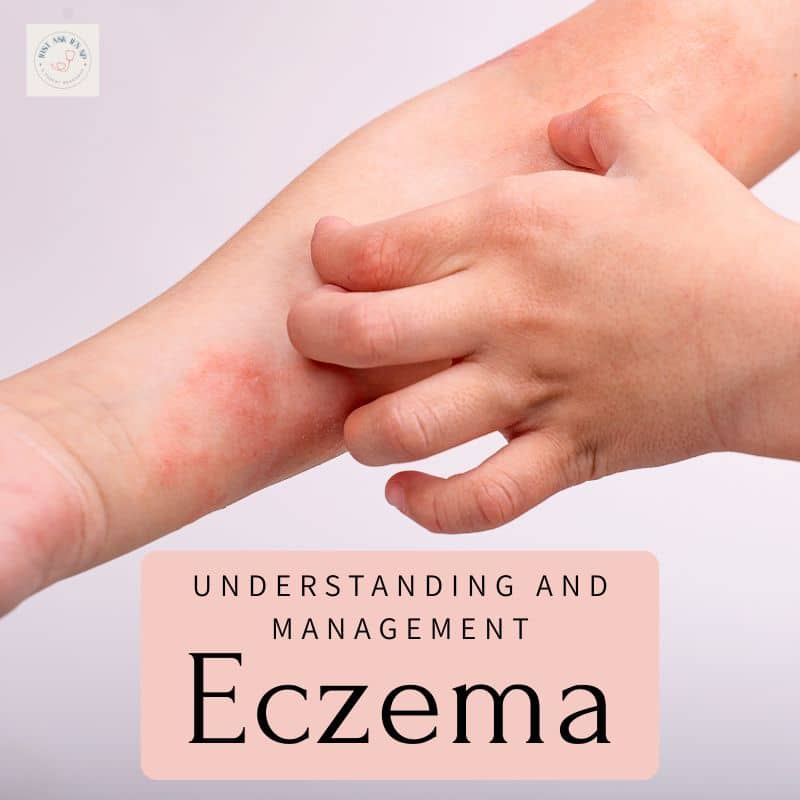
What Is Eczema?
Eczema, also known as atopic dermatitis, is a chronic inflammatory skin condition that causes dry, itchy, red, and irritated patches of skin. It affects up to 20% of children and often appears in infancy, though it can develop at any age. The good news? Many children outgrow eczema as their immune systems mature, and even those who don’t can learn to manage it successfully.
Understanding the Causes
Eczema doesn’t have a single cause—it’s a complex condition influenced by several factors:
Genetic predisposition plays a significant role. If you or your partner has eczema, asthma, or seasonal allergies, your child has a higher likelihood of developing eczema. These conditions are all part of what we call the “atopic triad.”
Skin barrier dysfunction is central to eczema. Children with eczema often have a deficiency in filaggrin, a protein that helps maintain the skin’s protective barrier. When this barrier is compromised, moisture escapes more easily and irritants can penetrate more readily, leading to inflammation and itching. https://eczema.org/information-and-advice/our-skin-and-eczema/find-out-more-about-filaggrin/
Immune system response also contributes. In eczema-prone skin, the immune system overreacts to certain triggers, causing inflammation even when there’s no real threat. This includes food allergies.
Environmental triggers vary from child to child but commonly include harsh soaps and detergents, fragrances, certain fabrics like wool, extreme temperatures, dry air, sweat, and even some foods in younger children.
Recognizing Eczema at Different Ages
Eczema presents differently depending on your child’s age. In infants under six months, you’ll typically see eczema on the cheeks, forehead, and scalp and trunk—those cute chubby cheeks may become dry and red. As babies become mobile, eczema often appears on the knees and elbows where they crawl.
In toddlers and young children, eczema commonly affects the creases—behind the knees, inside the elbows, around the wrists and ankles. The skin may look thicker and more leathery from repeated scratching.
In older children and teens, eczema tends to persist in the creases but may also affect the hands, feet, and face. The skin often becomes very dry and thick.
Treatment Approach: From Mild to Severe
Mild Eczema: The Foundation of Care
For mild cases—small, occasional patches of dry, slightly red skin—a consistent skincare routine is your best friend.
Moisturize religiously. This is the cornerstone of eczema management. Apply a thick, fragrance-free moisturizer at least twice daily, and ideally within three minutes of bathing when skin is still damp. This helps trap moisture in the skin.
I often recommend CeraVe Moisturizing Cream for daily use. Its ceramide-rich formula helps restore the skin barrier, and it’s incredibly effective yet affordable for families who need to apply it generously and frequently. The large tub format means you won’t run out quickly.

For parents seeking gentler, more natural options, Tubby Todd All Over Ointment has become a favorite among families I work with. It’s specifically formulated for sensitive baby skin, free from harsh chemicals, and many parents appreciate its clean ingredient list. It’s particularly nice for facial application where you want something ultra-gentle.


Ro Naturals Eczema Rescue Cream is another excellent option, especially for parents who prefer plant-based remedies. It contains colloidal oatmeal, which has anti-inflammatory properties, along with shea butter and other nourishing ingredients that soothe irritated skin naturally. For a breakdown on comparing the these brands, check out this post.


Bathing practices matter. Keep baths lukewarm (not hot), limit them to 5-10 minutes, and use a gentle, fragrance-free cleanser. You don’t need to use soap everywhere—focus on diaper area, hands, feet, and any visibly dirty areas. Only soap up at the end of the bath, then quickly rinse off.
Moderate Eczema: Adding Medical Treatment
When moisturizing alone isn’t enough and you’re seeing more persistent, red, itchy patches, it’s time to add topical steroids. These are prescription medications that reduce inflammation.
Low-potency steroids like the over the counter hydrocortisone 1% can be used on the face and skin folds. Medium-potency steroids like triamcinolone are appropriate for thicker skin on the body and limbs. Always use the lowest effective strength and apply only to affected areas as directed by your healthcare provider.
After applying medication, wait a few minutes, then seal it in with your moisturizer. Aquaphor Healing Ointment is excellent as an occlusive layer over other treatments. It creates a protective barrier that locks in moisture and medication while protecting skin from irritants. I particularly recommend it for nighttime use and for very dry, cracked areas.
Severe Eczema: Intensive Management
Severe eczema involves widespread, weeping, crusted lesions, significant skin thickening, or eczema that’s interfering with sleep and daily activities. These cases require a more aggressive approach and close medical supervision.
Treatment may include stronger prescription topical steroids, topical calcineurin inhibitors (like Protopic or Elidel) for sensitive areas, oral antihistamines for itch relief and sleep support, and sometimes antibiotics if infection develops from scratching.
Wet-to-Dry Dressing Technique for Severe Flares
For children with severe, widespread eczema, wet wrap therapy can provide dramatic relief and help stubborn patches heal. This technique sounds complex but becomes routine with practice.
Here’s how to perform wet wrap therapy:
First, give your child a lukewarm bath with a gentle cleanser. Pat skin gently—don’t rub dry—leaving it slightly damp. Apply prescribed medications or vaseline to affected areas first, then follow with a generous layer of moisturizer over the entire body.
Next, prepare your wet layer by soaking light layer pajamas, a tube sock (for arms or legs), or gauze bandages in warm water, then wringing them out thoroughly so they’re damp but not dripping. Dress your child in these damp garments.
Immediately cover with a dry layer—another set of pajamas or dry bandages over the wet ones. The double layer is essential for this technique to work properly.
Leave the wraps on for several hours or overnight. Your child’s body heat will warm the damp layer, which helps medications and moisturizers penetrate deeply while providing intense hydration. The cool sensation also helps reduce itching.
In the morning, remove the wraps and apply moisturizer again. Most children experience significant improvement after just a few nights of wet wrapping.
Important considerations: Only perform wet wrap therapy under your healthcare provider’s guidance, especially when using prescription medications. Watch for signs of skin infection like increased redness, warmth, pus, or fever. Don’t use wet wraps if skin is actively infected. And ensure your child stays warm enough, particularly with infants.
Prevention Strategies
Beyond treating active eczema, focus on preventing flares:
- Identify and avoid your child’s specific triggers by keeping a symptom diary.
2. Dress your child in soft, breathable fabrics like cotton.
3. Wash new clothes before wearing to remove irritants.
4. Use fragrance-free, dye-free laundry detergent and skip fabric softeners.
5. Keep your home at a comfortable temperature with adequate humidity, especially in winter.
6. Trim your child’s fingernails short to minimize damage from scratching.
7. Consider mild antihistamines before bed during flare-ups to reduce nighttime scratching.
When to See a Healthcare Provider
While many mild cases can be managed at home, seek medical attention if your child’s eczema isn’t improving with over-the-counter treatments after two weeks, covers large areas of their body, shows signs of infection (oozing, crusting, fever), is interfering significantly with sleep, or if you’re feeling overwhelmed with management.
A Message of Support
Managing your child’s eczema is a marathon, not a sprint. Some days will be better than others, and that’s completely normal. What works beautifully for one child may not work for yours, so don’t be discouraged if you need to try different approaches.
Remember that you’re doing an amazing job by seeking information and advocating for your child’s comfort. Eczema is not caused by poor hygiene or bad parenting—it’s a medical condition that requires patience, consistency, and sometimes trial and error to manage effectively.
Trust your instincts as a parent. You know your child best, and if something doesn’t feel right, don’t hesitate to reach out to your healthcare provider. We’re here to partner with you in keeping your child’s skin healthy and comfortable.
With the right skincare routine, appropriate treatments when needed, and lots of patience, most children with eczema can enjoy soft, comfortable skin and a great quality of life.
Disclaimer: This information is for educational purposes and should not replace personalized medical advice from your healthcare provider. Always consult with your pediatrician or dermatologist before starting new treatments, especially for severe eczema or when using prescription medications.
