
Keeping Your Child Healthy During Flu Season: A Pediatric NP’s Guide 2026

As a pediatric nurse practitioner, I spend a good portion of fall and winter answering questions about how to keep kids healthy during flu season when it seems like everyone around them is sniffling and coughing.
The good news? There’s actually quite a bit we can do to support our children’s immune systems during flu season. Let me walk you through what really works, what might help, and what the science tells us about keeping your little ones as healthy as possible.
For more information from the AAP (American Academy of Pediatrics) concerning flu vaccines and other medication, check out this link.
The Foundation: What We Know Works during Flu Season
Before we dive into supplements and vitamins, I always start with the basics. These are the non-negotiables that make the biggest difference in keeping kids healthy.
Sleep: Your Child’s Secret Weapon

I can’t emphasize this enough: adequate sleep is one of the most powerful immune boosters we have. During sleep, your child’s body produces cytokines, proteins that target infection and inflammation. When kids are sleep-deprived, they produce fewer of these protective proteins and fewer infection-fighting antibodies.
What does “adequate” mean? It varies by age. Preschoolers need 10-13 hours, school-age children need 9-12 hours, and teens need 8-10 hours. Yes, I know that sounds like a lot, especially for teenagers, but it truly matters. In my practice, I’ve noticed that families who prioritize consistent bedtimes and sleep routines see fewer sick days.
Hand Washing: Still the Gold Standard
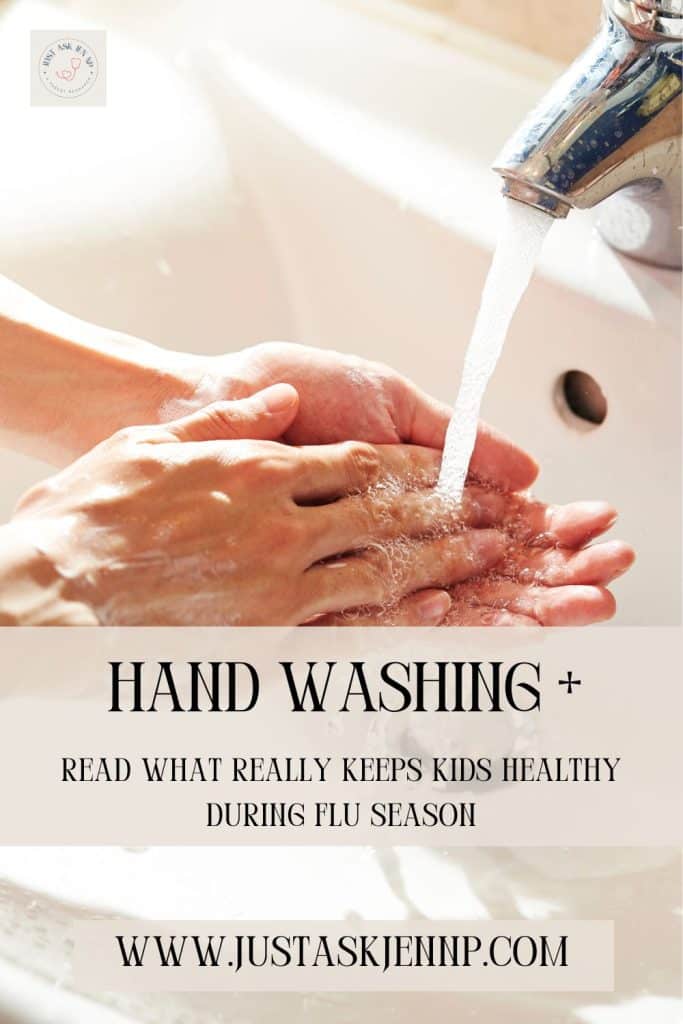
I know you’ve heard it a million times, but proper hand washing remains one of the most effective ways to prevent illness. The key word here is “proper.” That means 20 seconds with soap and water, making sure to scrub between fingers, under nails, and the backs of hands.
For younger children, I recommend singing “Happy Birthday” twice or the ABCs once. Make it fun. Turn it into a game. The goal is to make it a habit that sticks, not a chore they rush through.
Balanced Diet: Building Blocks of Immunity
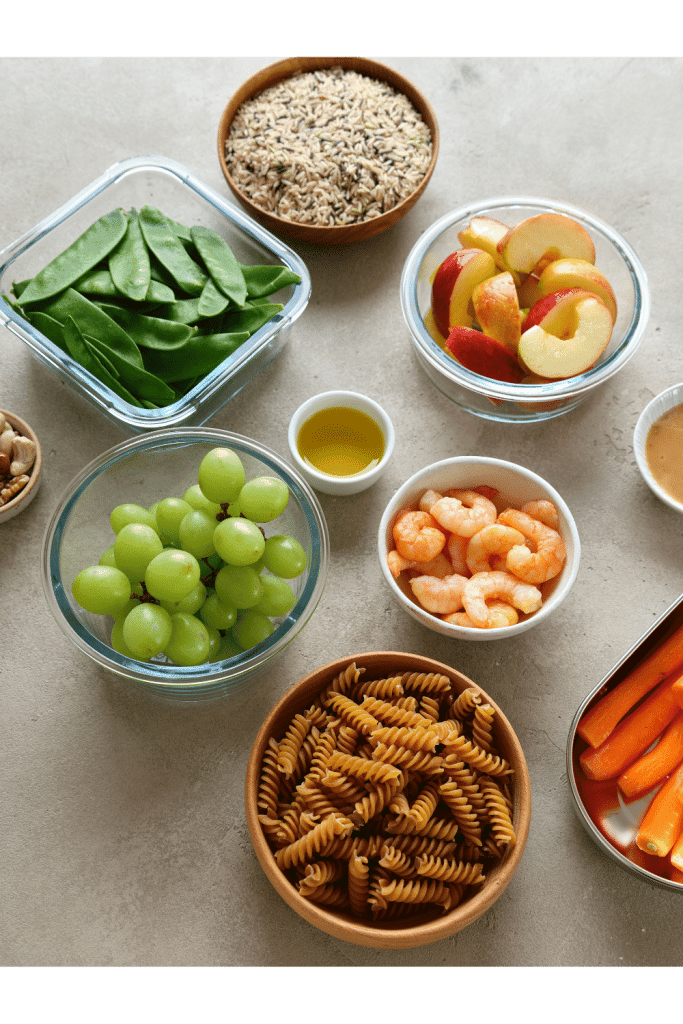
A varied, colorful diet provides the nutrients that keep your child’s immune system functioning optimally. I encourage parents to think about eating a rainbow: different colored fruits and vegetables provide different antioxidants and nutrients.
Focus on whole foods when possible. Lean proteins, whole grains, plenty of fruits and vegetables, and healthy fats all play important roles. I’m not asking for perfection here. I’m a parent too, and I know some days chicken nuggets happen. But overall patterns matter more than individual meals.
Hydration: Often Overlooked

Water helps carry nutrients to cells, flush out toxions, and keep mucous membranes moist, which is your child’s first line of defense against germs. Dehydration can make kids more susceptible to illness.
How much water? A general guideline is about 5-8 glasses for younger children and 8-11 glasses for older kids and teens, but this varies based on activity level, weather, and individual needs. If your child’s urine is pale yellow, they’re likely well-hydrated.
Nasal Saline: The Unsung Hero
If I could recommend one simple, safe, and effective tool that every family should have in their medicine cabinet during flu season, it would be nasal saline. This might not seem exciting, but it’s one of the most underutilized interventions I see in my practice.

How it works: Saline (salt water) helps thin mucus, making it easier to drain or blow out. It also helps keep nasal passages moist, which is important because dry nasal passages are more vulnerable to viral invasion. Additionally, saline rinses can actually help wash away viruses, bacteria, and allergens from the nasal passages before they have a chance to take hold.
For prevention: I recommend using nasal saline daily during flu season, especially after your child has been in high-exposure environments like school, daycare, or playdates. Think of it as “hand washing for the nose.” A quick spray or rinse when your child gets home can help remove germs they’ve been exposed to throughout the day.
For treatment: Once your child has a cold, nasal saline becomes even more important. It helps relieve congestion, makes breathing easier (especially important for babies who can’t blow their noses), and can help prevent secondary infections like ear infections and sinusitis by keeping things draining properly.
How to use it:
- For infants and young toddlers, saline drops followed by gentle suctioning with a bulb syringe or nasal aspirator work well. Two to three drops in each nostril, wait a moment, then suction gently.
- For older toddlers and preschoolers, saline spray is usually easier and less traumatic than drops and suctioning.
- For school-age children and teens, saline sprays or even neti pots or squeeze bottles for nasal irrigation can be very effective.
Frequency: During illness, you can use saline as often as needed—before meals, before bed, and whenever your child seems congested. For prevention, once or twice daily is typically sufficient. If your child is actively ill, I recommend with each diaper change.
Safety note: Saline is incredibly safe with essentially no side effects. You can make your own with distilled or boiled (then cooled) water and salt, or buy commercial preparations. If making your own, always use distilled, sterile, or previously boiled water, never tap water, to avoid the rare risk of introducing harmful organisms. For young children, I usually recommend starting with commercial saline products to ensure proper concentration and sterility.
Now, Let’s Talk Supplements
With that foundation in place, let’s discuss specific vitamins and supplements that may help during flu season.
Vitamin D: The Sunshine Vitamin
Vitamin D is probably the supplement I recommend most often during flu season, and there’s solid research backing this up. Vitamin D plays a crucial role in immune function, and deficiency has been linked to increased susceptibility to infections.

One drop daily, important for all babies who are breastfed (breastmilk does not have Vitamin D)

One drop daily is all you need!
Here’s the challenge: most children don’t get enough vitamin D, especially during fall and winter when sun exposure is limited. We get vitamin D primarily from sunlight, and there aren’t many food sources that contain significant amounts (fatty fish, egg yolks, and fortified milk are your best bets).
The American Academy of Pediatrics recommends 400 IU daily for infants and children, though some children may need more depending on their individual circumstances. I often check vitamin D levels in my patients, particularly those who seem to get sick frequently or who have darker skin (which requires more sun exposure to produce vitamin D).
The risk of taking too much vitamin D is real, so I don’t recommend exceeding the recommended dosage without consulting your pediatrician.
Zinc: The Immune Supporter
Zinc is essential for immune cell development and function. Studies have shown that zinc supplementation can reduce the duration and severity of colds when taken at the onset of symptoms, though the evidence for prevention is less clear.

3mg in every 2mL serving
For prevention during flu season, children generally need about 3-5 mg daily for younger children and 8-11 mg for older kids and teens. Many children get adequate zinc from their diet through foods like meat, shellfish, legumes, seeds, nuts, and whole grains.
Here’s what I tell families: if your child eats a varied diet with adequate protein, they probably don’t need zinc supplementation for prevention. However, if your child is a very picky eater or follows a vegetarian diet, supplementation might be beneficial.
For treatment once a cold has started, higher doses of zinc (within safe limits) taken within 24 hours of symptom onset may help shorten the duration. However, zinc can cause nausea, especially on an empty stomach, so I typically recommend zinc lozenges or syrup taken with food.
Gut Health: Your Immune System’s Home Base
Did you know that about 70% of your immune system resides in your gut? The relationship between gut health and immunity is one of the most exciting areas of recent research.

Ease Crying, Fussing, Colic, Gas, Spit-ups & Constipation | No Dairy, Soy & Gluten | 5 drops daily
Probiotics, the beneficial bacteria in your gut, help regulate immune function. While the research is still evolving, some studies suggest that certain probiotic strains may reduce the frequency and duration of respiratory infections in children.
I recommend getting probiotics primarily through food sources like yogurt with live cultures, kefir, sauerkraut, and other fermented foods. If you’re considering a probiotic supplement, look for products that contain Lactobacillus and Bifidobacterium strains, which have the most research supporting their immune benefits.
Prebiotics are equally important. These are the fibers that feed beneficial gut bacteria. You’ll find them in foods like bananas, onions, garlic, leeks, asparagus, and whole grains.
The Maybe-Helpers: Elderberry and Honey
These two natural remedies deserve special attention because I get asked about them constantly during flu season. Let’s break down what we know.
Elderberry: Popular but Complicated
Elderberry has become incredibly popular in recent years, and I understand why. Some studies have suggested that elderberry can reduce the duration and severity of cold and flu symptoms. The proposed mechanism is that compounds in elderberry may have antiviral and anti-inflammatory properties.
The potential benefits: When taken at the first sign of illness, elderberry syrup or supplements might help reduce symptom duration by a day or two. Some families swear by it.
The concerns: Here’s where it gets tricky. The evidence for elderberry as a preventive measure is weak. Most of the positive research involves taking it once symptoms have already started, not taking it daily throughout flu season.
More importantly, there’s a theoretical concern that elderberry’s immune-stimulating properties could potentially worsen certain conditions or interact with immune-modulating medications. The quality and standardization of elderberry products also varies widely.
My recommendation: I generally don’t recommend elderberry for prevention during flu season. If families want to try it at the onset of symptoms, I tell them to look for standardized products, follow dosing instructions carefully, and remember that raw elderberries are toxic and must be cooked.
For children under one year, I don’t recommend elderberry at all. And if your child has an autoimmune condition or takes immune-modulating medications, check with your healthcare provider first.
Honey: Sweet Relief with Evidence

Honey is one of my favorite natural remedies, but with important caveats.
The benefits: Good quality research has shown that honey can be as effective as some over-the-counter cough suppressants for relieving nighttime cough and improving sleep in children over one year of age. A single dose of about half a teaspoon to two teaspoons before bedtime can help soothe throat irritation and reduce coughing.
For prevention: Honey isn’t really a preventive measure for flu. However, it does have antimicrobial properties and may support overall immune function as part of a healthy diet. Some families give a spoonful daily during cold season, and while there’s limited evidence this prevents illness, it’s generally safe for children over one.
The critical warning: Never give honey to infants under 12 months old. Honey can contain Clostridium botulinum spores that can cause infant botulism, a serious and potentially life-threatening condition. Babies’ digestive systems aren’t mature enough to handle these spores safely.
For treatment: Once your child has a cold and is old enough for honey, it can be very helpful for symptom relief. I often recommend it before reaching for over-the-counter cough medicines, especially since many of those medications aren’t recommended for young children anyway.


Includes zinc and elderberry with a small amount of Vit D along with dark honey.
Putting It All Together
When parents ask me for my flu season game plan, here’s what I tell them:
Start with the fundamentals. Prioritize sleep, enforce hand washing (kindly but consistently), provide a balanced diet with lots of colorful produce, and keep your child well-hydrated. These aren’t sexy recommendations, but they’re the most effective.
Consider vitamin D supplementation, especially if your child doesn’t spend much time outdoors or has darker skin. This is the supplement with the strongest evidence for supporting immune health during winter months.
If your child is a picky eater, a basic multivitamin can help fill nutritional gaps, including zinc. Focus on supporting gut health through diet when possible.
Keep honey on hand for children over one year old to help with cough and cold symptoms when they arise. Think of it as treatment, not prevention.
Be skeptical of claims that any supplement or remedy will prevent your child from getting sick entirely. Our goal isn’t necessarily to avoid every cold (which would be nearly impossible), but to support your child’s immune system so they can fight off infections effectively and recover quickly.
When to Call Your Pediatrician
No amount of vitamins or supplements replaces medical care when it’s truly needed. Call your child’s healthcare provider if they have:
- High fever (over 104°F or lasting more than a few days)
- Difficulty breathing or rapid breathing
- Signs of dehydration (decreased urination, no tears, dry mouth)
- Severe or worsening symptoms
- Symptoms that improve then suddenly worsen
- Any concerning symptoms in infants under 3 months
Final Thoughts
As a pediatric nurse practitioner and a parent myself, I know how hard it is to watch your child feel miserable with yet another cold. It’s natural to want to do everything possible to prevent illness or speed recovery.
The truth is, some exposure to germs is actually healthy. It helps build your child’s immune system for the long term. Most children will get 6-8 colds per year, and that’s normal, even though it doesn’t feel that way when you’re living through it.
Focus on what we know works: the basics of good health. Add vitamin D during the darker months. Support gut health. Keep honey on hand for nighttime coughs. And remember, you’re doing a great job. Getting through flu season with kids is a marathon, not a sprint.
Stay well, and don’t hesitate to reach out to your child’s healthcare provider with questions or concerns. We’re here to support you through every season.
For more information on home remedies, check out this post https://justaskjennp.com/natural-remedies-for-children-with-illnesses/
This post contains affiliate links, which means I may earn a small commission at no additional cost to you if you make a purchase through these links. I only recommend products I trust and that align with evidence-based practice. All opinions are my own.
This blog post is for informational purposes only and doesn’t replace individualized medical advice from your child’s healthcare provider.
