
The First 6 Weeks: Your Complete Guide to Postpartum Recovery After Vaginal Birth in 2025

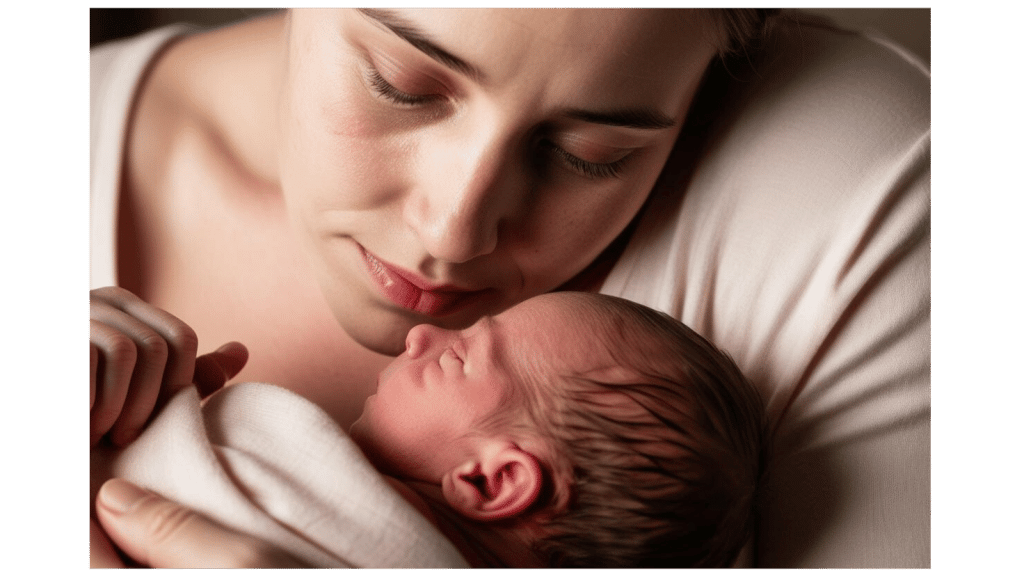
The journey of bringing new life into the world doesn’t end with childbirth—it transitions into the equally important phase of postpartum recovery. The first six weeks after a vaginal delivery are a crucial time for your body to heal and adjust to its new normal. Whether you’re pregnant and preparing for what’s ahead or you’ve recently given birth and are navigating this recovery period, this guide will walk you through what to expect and how to care for yourself during this transformative time.
Understanding the Fourth Trimester
The term “fourth trimester” refers to the first three months after birth—a period when your body undergoes significant physical recovery after vaginal birth while you adapt to life with your newborn. The most intensive healing typically occurs during the first six weeks, which is why healthcare providers schedule a postpartum checkup around this time.

Week 1: The Immediate Postpartum Period
What Your Body is Experiencing
The first week after birth is often the most physically challenging. Your body is beginning its remarkable healing process while you’re adjusting to your new role and likely dealing with sleep deprivation.
You’ll experience vaginal bleeding called lochia—initially heavy and bright red, similar to a menstrual period but often more substantial. This is your body shedding the extra blood, tissue, and mucus that lined your uterus during pregnancy.
If you had tears or an episiotomy during delivery, you’ll likely feel discomfort or pain in your perineal area. Additionally, afterpains (contractions that help your uterus return to its pre-pregnancy size) can cause cramping that ranges from mild to quite uncomfortable, especially during breastfeeding.
Self-Care Priorities
During this first week, rest should be your primary focus. Here’s how to care for your body:
- Prioritize sleep: Rest whenever your baby sleeps
- Perineal care: Use a peri bottle with warm water when using the bathroom, apply ice packs for 20 minutes at a time, and take sitz baths 2-3 times daily
- Manage pain: Take any prescribed or over-the-counter pain relievers as directed by your healthcare provider
- Stay hydrated: Drink plenty of water, especially if you’re breastfeeding
- Accept help: Let others assist with meals, household tasks, and support with the baby when possible
- Recovery Station: Check out this post for ideas on creating a easily accessible postpartum recovery station

Weeks 2-3: Early Recovery Phase
Your Changing Body
During weeks two and three, you’ll likely notice several positive changes. Vaginal bleeding typically decreases and changes from bright red to a more pinkish or brownish color. Perineal discomfort should begin to improve, though it may not be completely resolved.
This is also when your breast milk fully comes in if you’re breastfeeding, which can bring its own set of physical sensations—from fullness and tenderness to possible engorgement. Check this out for more information on breastmilk production in the first 7 days.
Finding a New Rhythm
As your body continues healing, you might find yourself with slightly more energy, though fatigue will likely remain a constant companion. Focus on:
- Gentle movement: Short, slow walks around your home or neighborhood as you feel able
- Mindful rest: Continue prioritizing sleep and rest periods
- Nutrition: Consume balanced, nutrient-dense meals to support healing
- Hydration: Maintain adequate fluid intake to support milk production and overall recovery
- Emotional wellbeing: Be aware of your feelings and watch for signs of baby blues or postpartum mood disorders

Weeks 4-6: Progressive Recovery after Vaginal Birth
Signs of Healing
By this phase, you’re likely experiencing significant improvement in physical discomfort. Vaginal bleeding often stops completely or becomes minimal spotting. Your energy levels may be increasing, though they’re still not at pre-pregnancy levels.
This is when many new mothers begin to feel more like themselves again, though your body continues to adjust and heal.
Gradually Increasing Activity
As you approach your six-week checkup, you can begin to:
- Extend walking duration: Gradually increase the length and pace of walks
- Introduce gentle exercise: Begin very gentle pelvic floor exercises (Kegels) and subtle core engagement after discussing with your healthcare provider
- Listen to your body: Pay attention to signals that you might be pushing too hard, such as increased bleeding or pain
- Prepare for your checkup: Note any questions or concerns to discuss with your provider
Pelvic Floor Health: A Critical Component of Recovery
Your pelvic floor—the group of muscles supporting your uterus, bladder, and bowel—undergoes significant stretching during pregnancy and childbirth. Proper healing of these muscles is essential for preventing issues like incontinence and pelvic organ prolapse.
Caring for Your Pelvic Floor
- Avoid straining: Whether during bowel movements or when lifting
- Practice proper breathing: Exhale during exertion
- Begin gentle Kegels: Once cleared by your healthcare provider
- Consider pelvic floor physical therapy: Especially if you experience leaking, pain during intercourse, or persistent discomfort

Recognizing When to Seek Help
While discomfort is normal during recovery, certain symptoms warrant immediate medical attention:
- Fever over 100.4°F (38°C)
- Heavy bleeding that soaks through a pad in an hour or less
- Large blood clots (larger than a plum)
- Severe headaches or vision changes
- Difficulty breathing or chest pain
- Severe abdominal pain
- Signs of infection (increasing pain, redness, swelling, warmth, or discharge)
- Thoughts of harming yourself or your baby
Remember that reaching out to your healthcare provider with concerns is never an overreaction—it’s responsible self-care.
Emotional Recovery: Equally Important
Physical healing is just one aspect of postpartum recovery. The emotional adjustment deserves just as much attention and care.
Nurturing Your Mental Health
- Communicate openly: Share your feelings with trusted loved ones
- Set realistic expectations: Remember that adjustment takes time
- Connect with others: Join a new parents’ group or connect online
- Prioritize basic needs: Ensure you’re getting adequate nutrition, hydration, and rest
- Watch for warning signs: Be aware of symptoms of postpartum depression or anxiety, which can include persistent sadness, excessive worry, changes in sleeping or eating patterns, or thoughts of harming yourself or the baby
The Path Forward: Beyond Six Weeks
While the first six weeks represent the most intense recovery period, full healing—particularly of the pelvic floor and abdominal muscles—can take significantly longer. Many experts suggest thinking in terms of months, not weeks, for complete recovery.
Your six-week checkup is not necessarily a universal “all clear” to resume everything as before. Rather, it’s a checkpoint to assess your healing and discuss next steps, which might include:
- Gradually resuming more strenuous physical activity
- Safely returning to sex when you feel ready
- Addressing any ongoing physical concerns
- Discussing birth control options
- Evaluating emotional wellbeing

Conclusion: Honor Your Journey
Every birth and recovery experience is unique. Some women feel mostly recovered after six weeks, while others require much more time—both scenarios are completely normal. The most important thing is to honor your individual journey, listen to your body, and give yourself the grace, patience, and care you deserve during this transformative time.
Remember that taking care of yourself isn’t a luxury—it’s a necessity that enables you to be present and available for your new baby. By prioritizing your recovery, you’re not just investing in your own wellbeing, but in the health of your entire family.
For more information on recovery, check out this link https://www.mayoclinic.org/healthy-lifestyle/labor-and-delivery/in-depth/postpartum-care/art-20047233
Disclaimer: This blog post is for informational purposes only and does not replace medical advice. Always consult with your healthcare provider regarding your specific postpartum recovery.
