
Cradle Cap: A Complete Guide for New Parents in 2026

If you’re reading this article, chances are you’re staring at your baby’s scalp right now, wondering what those crusty yellow patches are and why they won’t go away. Maybe you’ve tried everything, and you’re worried about those little hairs coming off when you touch the scales.
As a nurse practitioner, I see this panic in my office almost every day, and I want you to take a deep breath—because what I’m about to share will help you understand what’s happening and, more importantly, how to fix it.
Cradle cap is one of those things that looks way scarier than it actually is. And yes, we’re going to talk about that hair loss that’s probably keeping you up at night. By the end of this article, you’ll know exactly what to do, when to worry, and when to relax.
What Does Cradle Cap Look Like?
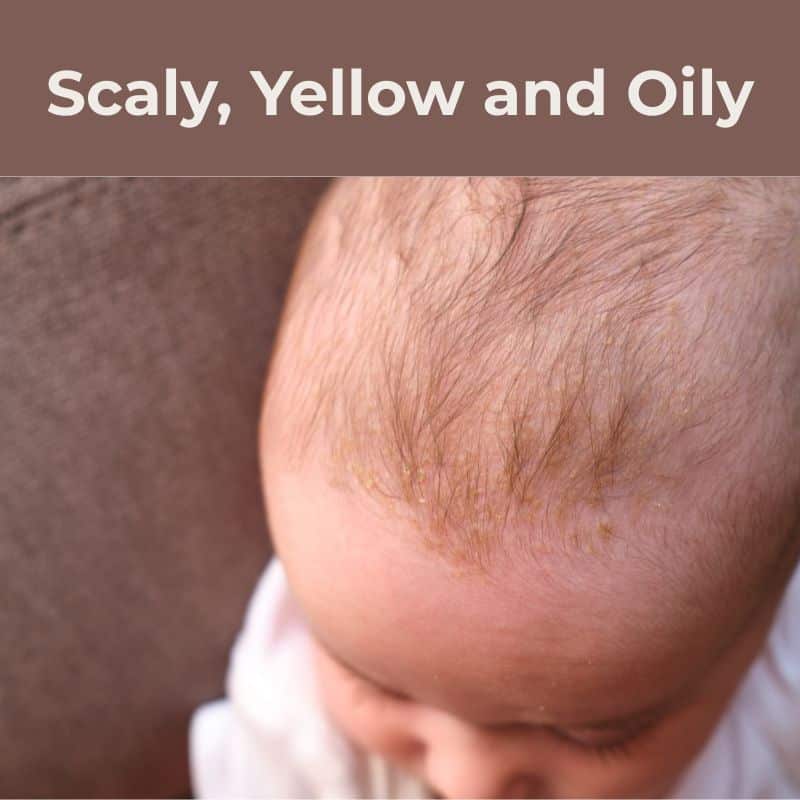
Cradle cap, medically called infantile seborrheic dermatitis, appears as thick, crusty, yellowish or brownish scales on your baby’s scalp. The scales can be greasy or dry, and the skin underneath may look slightly red. Sometimes you’ll see it extend to the eyebrows, behind the ears, in the creases of the neck, armpits, or diaper area. The patches can range from small flakes to thick, adherent crusts that seem impossible to remove.
When Does Cradle Cap Happen?
Cradle cap typically appears in the first few months of life, often between 2 weeks and 3 months of age. It’s actually quite common to see it develop after or alongside infant acne. Most cases resolve on their own by 6-12 months, though some babies may have it persist into toddlerhood or experience occasional flare-ups. The key word here is “stubborn”—this condition doesn’t disappear overnight, but it absolutely does get better.
Why Does Cradle Cap Happen?
We don’t know the exact cause, but cradle cap is related to overactive oil glands on your baby’s scalp, likely triggered by those lingering maternal hormones. A naturally occurring yeast called Malassezia that lives on everyone’s skin may also play a role. The excess oil causes skin cells to stick together instead of shedding normally, forming those crusty patches.
Here’s what cradle cap is NOT:
- It’s not caused by poor hygiene
- It’s not an infection
- It’s not contagious
- It’s not an allergic reaction
You didn’t do anything wrong. This isn’t about how often you bathe your baby or what products you use. This is just your baby’s skin doing its thing while adjusting to life outside the womb.
For more info on my favorite baby skin care products, check out this post
Does Cradle Cap Cause Hair Loss? (The Part Everyone Worries About)
Okay, let’s address the elephant in the room. This is what brings parents into my office in a panic, and I completely understand why. When the scales come off, you see hair attached to them. Sometimes there are bald patches. Sometimes it looks like your baby is losing more hair than they’re growing. I know it’s scary.
Here’s the reassuring truth: cradle cap does NOT cause permanent hair loss. Let me say that again—it does NOT damage the hair follicles. The hair that comes off is simply caught in the scales as they shed. Think of it like hair getting stuck in a scab—when the scab comes off, the trapped hair comes with it, but the follicle underneath is perfectly healthy.
Your baby’s hair follicles are completely intact and functioning normally beneath those scales. The hair will grow back. Some babies naturally have temporary hair loss in their first year anyway as their “baby hair” transitions to more permanent hair. The bald patches you’re seeing will fill back in, I promise. I’ve seen hundreds of babies go through this, and every single one has grown their hair back beautifully.
Cradle Cap Treatment at Home
Cradle cap is stubborn, but with gentle, consistent care, you can manage it effectively. Here’s my step-by-step approach:
Daily Gentle Shampooing
Wash your baby’s scalp daily or every other day with a mild baby shampoo. This helps loosen the scales and reduce oil buildup. Gently massage the scalp with your fingertips—not your nails—while shampooing. Don’t be afraid to really work up a lather and massage thoroughly.

Oil Treatment
About 15-30 minutes before bath time, gently massage a small amount of natural oil into the affected areas. You can use:
- Mineral oil
- Baby oil
- Coconut oil
- Olive oil
This softens the scales and makes them easier to remove. Apply generously to the crusty areas and let it sit while you prep the bath.

Overnight cream and daily shampoo help to resolve Cradle Cap quickly.

All over Ointment is great for all skin issues, not just cradle cap.
Gentle Brushing
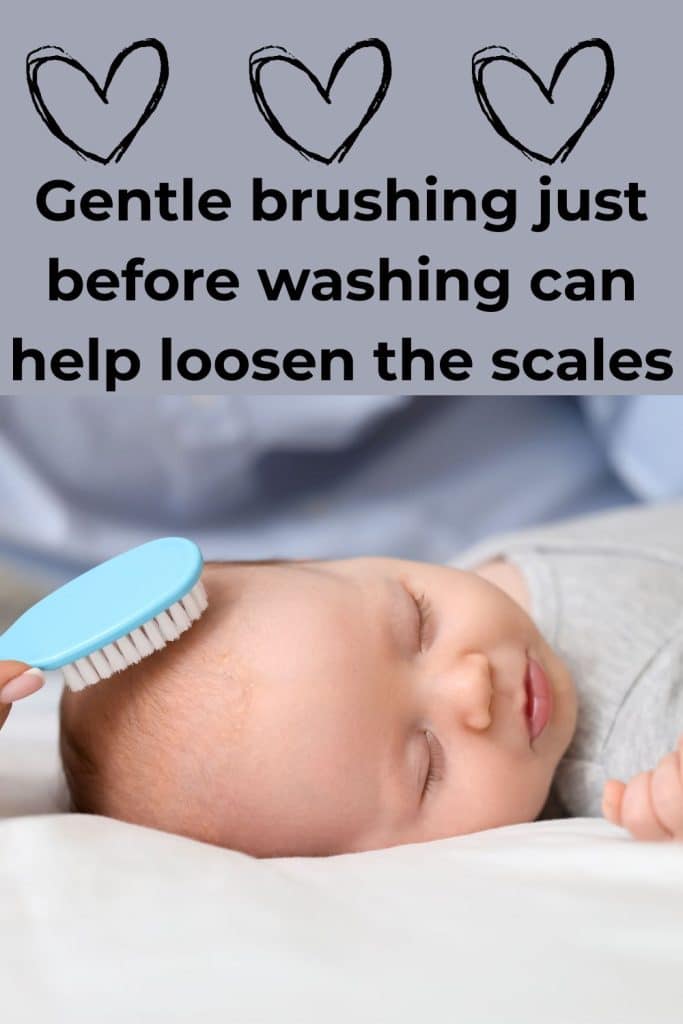
After applying oil and before or after shampooing, use a soft baby brush or a soft toothbrush to gently loosen the scales. Use circular motions and be very gentle. Don’t force scales off if they’re not ready to come loose—you’re coaxing them, not scraping them.
Rinse Thoroughly
Make sure you rinse all the oil and shampoo completely from your baby’s scalp, as leftover residue can make cradle cap worse.
For Stubborn Cases of Cradle Cap—Dandruff Shampoo
Here’s what I recommend when the basic routine isn’t cutting it. You can use a gentle dandruff shampoo, like one containing pyrithione zinc or selenium sulfide, 1-2 times per week. Yes, I know the bottle says it’s not for babies under a certain age, but we use these safely in pediatric practice for stubborn cradle cap.
Use a small amount, massage it gently into the affected areas, let it sit for a few minutes, and rinse thoroughly. Make sure to keep it away from your baby’s eyes. On the other days, continue with regular baby shampoo.

Be careful near the eyes. Only use 1-2 times weekly if needed.
Patience and Consistency
This is not an overnight fix. You may need to repeat this routine for several weeks. Some scales will come off easily, others will need multiple treatments. Progress, not perfection.
What NOT to Do
Don’t pick or scratch: Aggressively picking at the scales can irritate the skin, cause bleeding, or lead to infection.
Don’t overdo the dandruff shampoo: Stick to 1-2 times per week. More isn’t better and can dry out your baby’s delicate scalp.
Don’t over-wash: Washing more than once daily can actually dry out the scalp and make things worse.
Don’t worry about the soft spot: Your baby’s fontanelle (soft spot) is well-protected. You can safely and gently wash and brush over this area. It’s tougher than you think.
When to Call Your Healthcare Provider
Most cradle cap can be managed at home, but contact us if you notice:
- Scales that are spreading significantly beyond the scalp
- Skin that looks inflamed, very red, swollen, or is oozing or bleeding
- Signs of infection such as pus, increasing warmth, or a foul odor
- Your baby seems uncomfortable, is scratching excessively, or appears bothered by it
- Cradle cap that isn’t improving after several weeks of home treatment
- Significant hair loss that seems unusual or concerning to you

We may recommend a prescription-strength medicated shampoo, a mild steroid cream, or an antifungal treatment for more persistent cases.
Remember
Cradle cap looks much worse to you than it feels to your baby. Most babies are completely unbothered by it. This is a cosmetic concern, not a medical problem, and it will resolve with time. The hair loss you’re seeing is temporary—those little hairs will come back. I’ve watched this happen with countless babies, and they all end up with beautiful, healthy hair.
Your baby is healthy, developing beautifully, and these crusty patches are just a normal, temporary part of infancy. Be patient with the process, be gentle with your baby’s scalp, and be kind to yourself. You’re doing a great job navigating all these little surprises that come with a new baby.
As always, if you have any concerns or questions, we’re here to support you. Never hesitate to reach out—that’s exactly what we’re here for.
For more information, check out this link
This article is for educational purposes only and is not a substitute for professional medical advice. Always consult your healthcare provider with specific concerns about your baby.
